





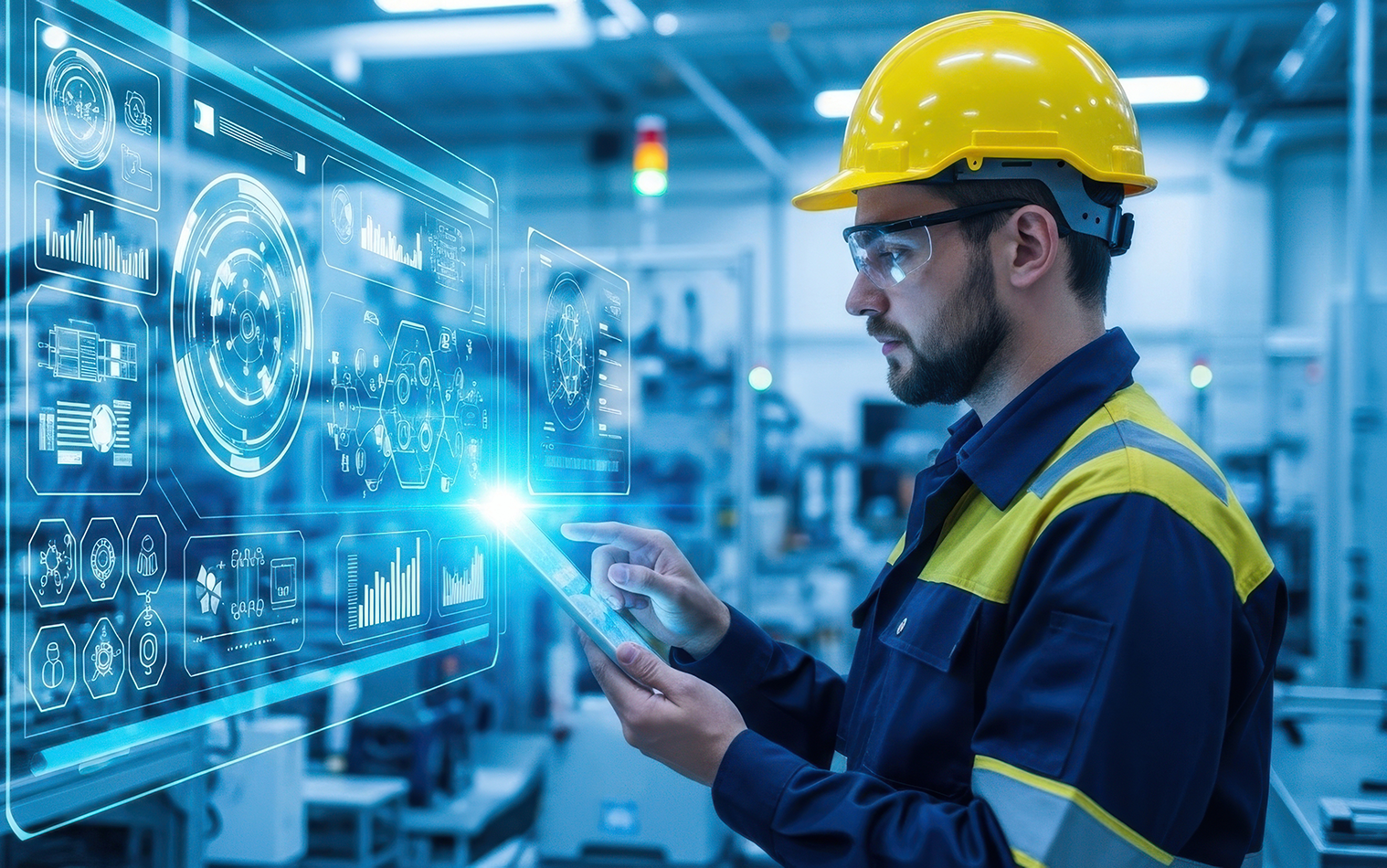
Breaking through the digital divide
While industrial facilities worldwide embrace digital maintenance tools, hazardous areas have remained stubbornly analog. The reason is simple: explosive atmospheres demand certified hardware that can operate safely without creating ignition risks. For years, this meant clipboards, paper checklists and manual data entry back at the control room.
That era is ending. Modern ATEX and IECEx certified devices now deliver the computing power, connectivity and user experience needed to digitalize field maintenance completely. The question is no longer whether digital transformation can reach hazardous zones, but how quickly facilities will adopt it.
Mobile HMIs transform field operations
The breakthrough came with mobile HMIs purpose-built for Zone 1 and Zone 2 environments. These devices allow technicians to access work orders, asset histories, technical drawings and procedures directly at the equipment. Instead of memorizing readings or jotting notes on clipboards, they capture everything digitally—photos, measurements, observations—at the moment of inspection.
The impact on data quality is immediate. Details aren't lost between the field and the office. Context is preserved. Deviations are documented with precision. Plants report more complete maintenance records simply because information is captured when it matters most.
Certification alone doesn't guarantee usability. Hazardous environments are unforgiving: gloves reduce dexterity, sunlight washes out displays, temperature extremes stress electronics and humidity affects touchscreens. Digital tools must work despite these conditions, not just survive them.
Leading manufacturers now deliver glove-friendly interfaces, high-brightness displays and intuitive navigation. When technicians can operate devices comfortably in the field, inspection quality improves naturally. The technology fades into the background, allowing operators to focus on equipment condition rather than fighting with their tools.
Supporting complex documentation needs
As digital workflows mature, expectations rise. Technicians document not just readings but root causes, corrective actions and operational context. Touchscreen keyboards work for brief entries but become impractical for detailed reports.
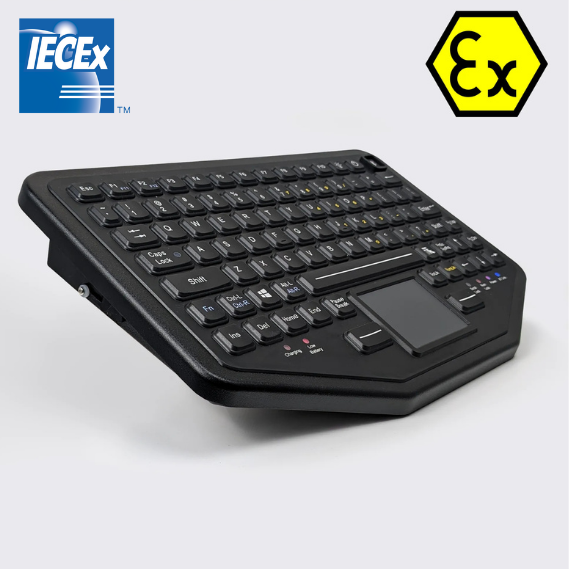
Some facilities address this by pairing certified tablets or HMIs with a Zone 2 Bluetooth keyboard, enabling comprehensive documentation without leaving the hazardous area. This capability supports teams that demand thorough, field-generated maintenance logs.
Building networks that work in the real world
Digital maintenance depends on connectivity, yet networking in hazardous areas introduces strict engineering constraints. The solution combines certified Wi-Fi 6 access points, private LTE infrastructure and carefully positioned antennas within approved enclosures.
When connectivity is available, technicians access live data, current drawings and failure histories instantly. When it's not, modern applications operate offline and sync automatically once connection returns. This hybrid approach ensures continuity without sacrificing the benefits of real-time data exchange.
The practical benefits are tangible. A technician inspecting a pump instantly views its vibration trends, lubrication schedule and maintenance history. Anomalies are photographed and annotated on the spot. Spare parts requests are submitted immediately. Supervisors receive updates in real time.
Tasks that once required walking between equipment, control rooms and offices become seamless. Technicians finish shifts with fewer administrative burdens. Supervisors gain clearer visibility into plant health. Maintenance becomes more proactive, less reactive.
Successful deployment requires careful consideration of practical constraints. Device weight affects technician fatigue during extended shifts. Battery performance changes inside sealed, certified housings. Temperature classifications must account for ambient conditions and device heat output. Every accessory—chargers, mounts, cases—must comply with certification requirements.
These aren't obstacles; they're design parameters that ensure safer, more reliable systems.
The connected operator advantage
Digital transformation in hazardous areas amplifies technician expertise rather than replacing it. With immediate access to accurate information, operators detect anomalies earlier, make faster decisions and execute maintenance more precisely. The result: safer operations, improved reliability and transparent maintenance histories that support continuous improvement.
As wireless sensors, predictive analytics and augmented reality mature within certification frameworks, early adopters will be positioned to integrate these capabilities seamlessly. The foundation being built today determines tomorrow's operational excellence.
The technology barrier has fallen. Modern certified devices, robust connectivity and thoughtful ergonomics make digital maintenance in hazardous areas not just possible but practical. For facilities committed to operational excellence, the transition from clipboards to connected operators represents a strategic advantage—one that improves safety, efficiency and data quality simultaneously.
The future of maintenance is digital. Now, even hazardous areas can participate fully.

