





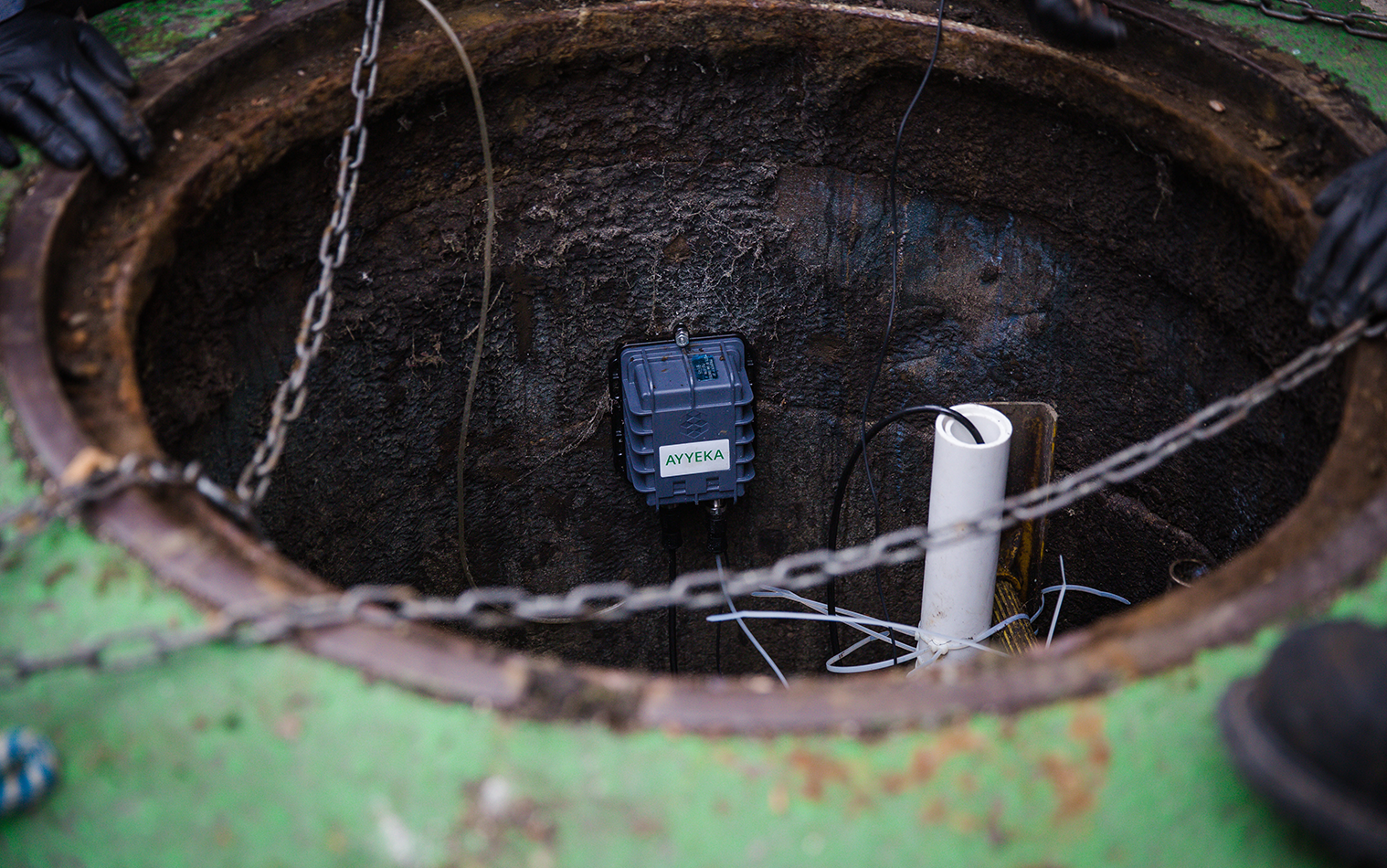
The world is filled with highly remote places where you need to choose a battery you can really depend upon because everything depends on it: beneath a bridge truss, deep undersea, on top of an iceberg. Sometimes, the application is anything but remote, such as a municipal automated meter reading/advanced metering infrastructure (AMR/AMI) network where an unexpected systemwide battery failure problem can turn into a costly crisis.
While the battery typically represents only a fractional percentage of a device’s overall cost, it often plays the most critical role in determining the product’s long-term performance. The optimal battery serves as the beating heart of a world class device. Selecting the wrong battery can lead to operational failure, lost data, safety risks, and costly maintenance, all of which reflects poorly on the brand’s reputation.
Low-power device energy demands
In order to extend battery life, low-power remote wireless devices operate mostly in a ‘standby’ or ‘sleep’ mode, waking up periodically or when a certain data threshold is exceeded. While in ‘standby’ mode, a low-power device typically draws very small amounts of background current measurable in microamps, then draws brief pulses of energy measurable in amps to power data queries and wireless communications. Application-specific requirements dictate whether your best option is a primary (non-rechargeable) cell or a more costly solution using a rechargeable Li-ion battery in conjunction with an energy harvesting device, which may be necessary if the energy demand is high enough to prematurely exhaust a primary cell.
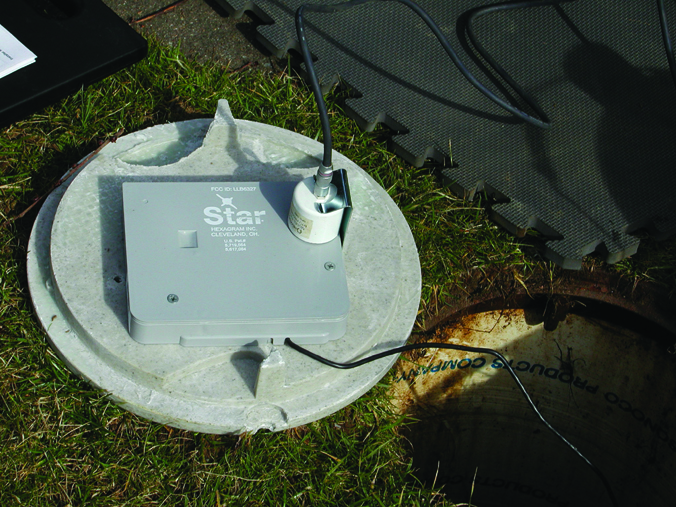 Bobbin-type LiSOCl2 batteries serve as the backbone for advanced AMR/AMI metering, delivering dec-ades of reliable performance to power wireless communications. (Photo courtesy of Aclara)
All batteries are not created equal
The majority of remote wireless devices are powered by primary (non-rechargeable) chemistries, each offering unique performance characteristics. These chemistries include iron disulfate (LiFeS2), lithium manganese dioxide (LiMNO2), lithium thionyl chloride (LiSOCl2), alkaline, and lithium metal oxide.
Among primary chemistries, alkaline cells are commonly utilized because they are cheap and ubiquitous. However, alkaline batteries have serious drawbacks, including rapid self-discharge (up to 60% per year), unreliability at extreme temperatures, and very low energy density, which can add bulk. Alkaline batteries are ideal for high-drain consumer applications (i.e. toys and flashlights), but are generally ill-suited for long-term deployments in extreme environments.
The bobbin-type lithium thionyl chloride (LiSOCl₂) battery is considered the gold standard for long-term deployments in extreme environments. Certain bobbin-type LiSOCl2 batteries can operate for up to 40 years due to a self-discharge rate as low as 0.7% per year. Bobbin-type LiSOCl2 batteries also feature the broadest temperature range of all (–80°C to +125°C) along with the highest energy density and the highest voltage. Unlike any other battery technology, LiSOCl₂ chemistry permits a natural phenomenon called passivation, where a thin layer of lithium chloride forms on the anode of an inactive battery to reduce its self-discharge rate: a process that repeats whenever the battery is idle.
Together, these features often permit the power supply to be miniaturized by using fewer batteries, and reduce or eliminate the need for battery replacements over the lifetime of the device, thus resulting in a lower cost of ownership and a higher ROI. Heat and cold harm battery life.
Extreme environments can adversely affect long-term battery performance. While moderately cold temperatures can be beneficial in reducing a battery’s self-discharge rate, prolonged exposure to extreme cold can slow down chemical reactions and cause voltage drops. Prolonged exposure to extremely high temperatures can also severely impact battery performance: speeding up the chemical reactions that cause self-discharge, and causing significant voltage drops to heighten the potential for failure under load. Bobbin-type LiSOCl2 batteries are designed to perform reliably in extreme environments, with certain cells providing a wider temperature range of –80°C to +125°C.
Hybrid batteries can handle high pulses
While communicating data, IIoT-connected devices can require high pulses of up to 5 Amps, far more than a standard bobbin-type LiSOCl2 battery can supply due to its low-rate design. An effective solution was developed with the introduction of PulsesPlus batteries that combine a standard bobbin-type LiSOCl2 cell in conjunction with a patented hybrid layer capacitor (HLC) that draws small amounts of energy to generate high pulse currents. The patented HLC features a unique voltage plateau that occurs prior to the battery nearing its end-of-life. This voltage plateau can trigger a “low battery” status alert for scheduled maintenance to reduce the risk of compromised data integrity and system downtime.
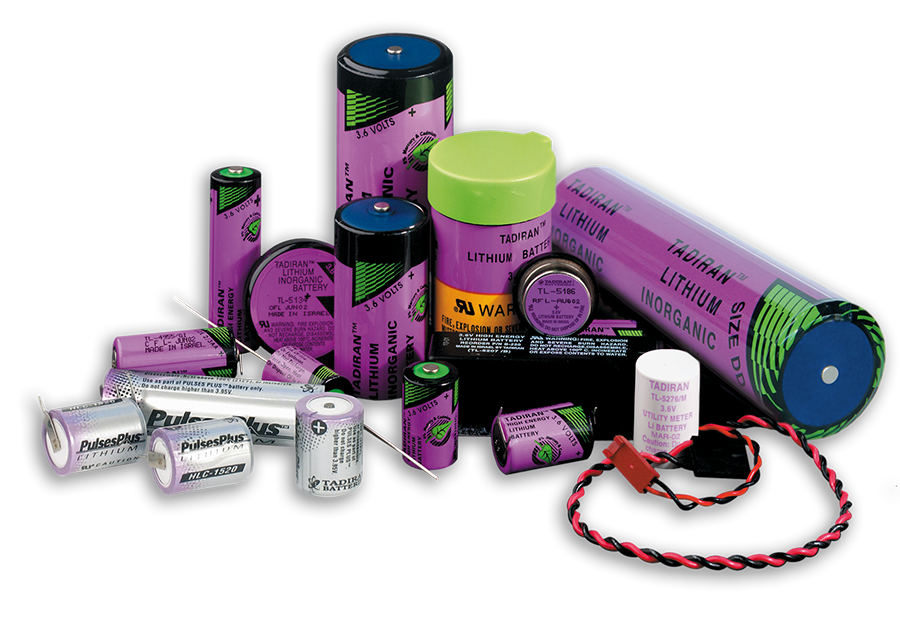
Bobbin-type LiSOCl2 batteries are overwhelmingly preferred for long-term deployments at remote sites and extreme environments, delivering higher capacity and higher energy density, among other attributes.
Do your due diligence
While various short-term tests are being utilized to predict expected battery life, they can be highly inaccurate in determining actual performance over a long-term deployment, especially if the application involves prolonged exposure to extreme temperatures. Unreliable test data makes it difficult to compare competing battery brands, making it necessary to carefully analyze third-party documentation and test reports and, most importantly, by comparing real-world field data from similar applications operating under comparable environmental conditions. Technical spec sheets alone can often be misleading. For example, certain bobbin-type LiSOCl2 battery manufacturers promote “15- to 20-year battery life” with self-discharge rates that are too high to support such claims.
Play it safe with expert advice
In situations where battery failure or replacement is not an option, it is essential that you specify the right battery. If you are designing a new product or looking to optimize an existing system, you must be careful to choose the best solution available and not just the cheapest option, which often turns out to be more expensive over the long-term.
Since all batteries look essentially alike and short-term test data can be highly unreliable in predicting actual long-term performance, you must perform careful due diligence. Start by having a highly qualified applications engineer review your unique power requirements and apply specialized expertise and practical real-world experience to identify the optimal solution. Getting a second opinion will help ensure that you get it right the first time.


