Many water utilities manage wells, treatment plants and remote assets spread across large service areas, making system visibility a constant challenge. Without easy access to asset data, maintenance becomes reactive rather than proactive.
By centralizing diagnostic information and enabling remote visibility, utilities can identify issues earlier and plan maintenance effectively. Proactive maintenance combining digital solutions and system integration expertise can be used to streamline maintenance and centralize insights for faster, more informed decision-making.
Do water utilities find reactive maintenance challenging?
Many water systems have expanded over decades, creating a widespread network of assets that can be challenging to monitor and manage. Maintenance teams visit each plant individually to read measured values and check instruments, resulting in what can be time-consuming diagnostics.
Legacy Supervisory Control and Data Acquisition (SCADA) systems add to this challenge when they require teams with specialized knowledge to maintain. Small operations teams responsible for servicing geographically dispersed areas may find issues with monitoring performance and troubleshooting in a timely manner.
Additionally, long travel times and limited visibility into remote assets lead to slow responses and operational strain. As a result, teams spend more time reacting to issues after they occur and preventive planning activities are more challenging to implement.
How does remote visibility improve utility operations?
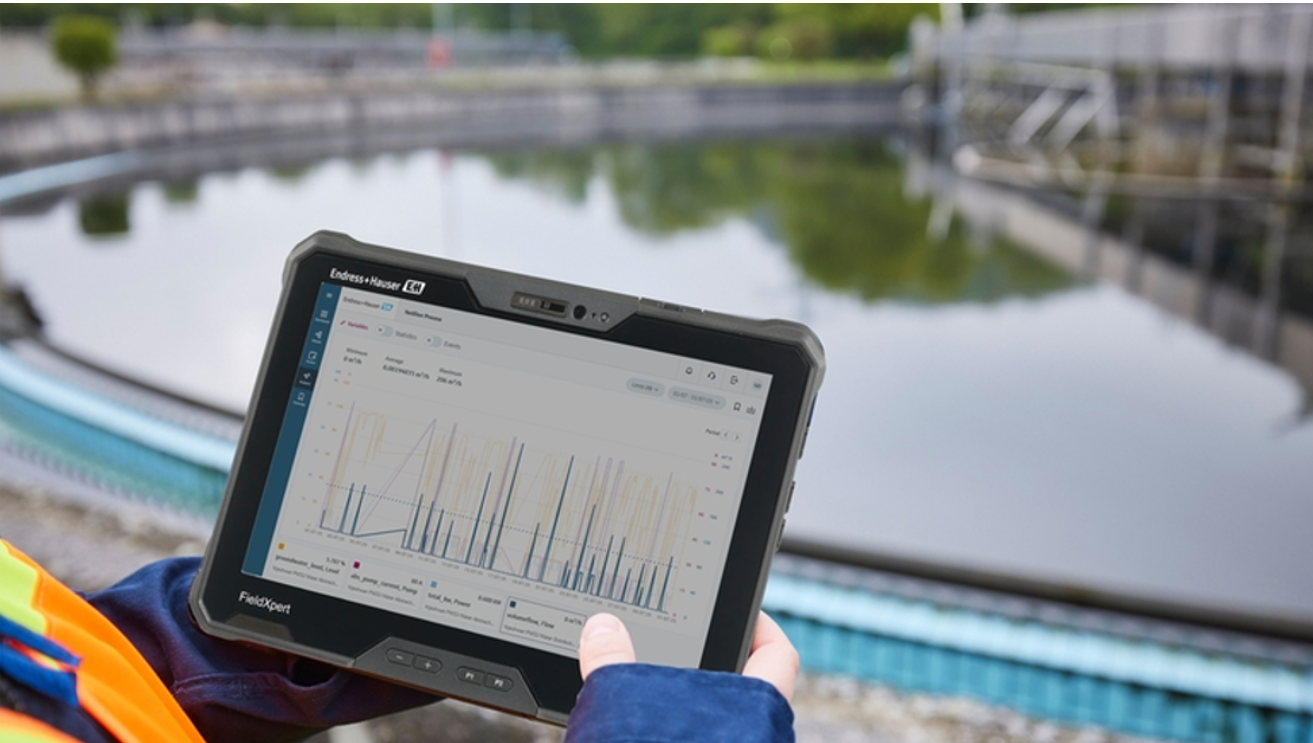
Remote visibility improves operations by placing all relevant information into a central database. Instead of relying only on manual site visits, teams can evaluate device status and diagnostic information ahead of time.
Water utility plants are increasingly adopting remote visibility to:
- Enable local control at remote sites
- Enhance process operations
- Troubleshoot remotely
- Reduce unnecessary travel
Continuous access to data allows operators to arrive on site prepared to quickly identify issues and plan maintenance. These improvements ease the operational burden on small teams which allows them to spend more time on specialized tasks and less time on making trips to plants.
[subhead] How can asset data support proactive maintenance?
Asset data supports proactive maintenance by equipping field personnel with relevant data points and real-time alerts. When asset health, configuration data and diagnostics are centralized, teams have a clearer view of installed bases and system performance.
Digital monitoring platforms such as Endress+Hauser’s Netilion ecosystem can aggregate device diagnostics and provide automated reports, making it easier for teams to troubleshoot and make accurate decisions based on actual asset conditions.
The Netilion lloT ecosystem provides up-to-date remote water data in a structured digital environment. By combining secure cloud infrastructure, controlled access management and traceable data handling, the solution framework improves operational transparency while supporting regulatory compliance.
Enhanced data visibility allows field experts to evaluate issues remotely and prioritize service activities more efficiently. This supports a natural path towards preventive maintenance, consistent service and efficient operations.
What are the benefits of a more connected utility?
A connected utility gives maintenance teams faster access to the information they need to make decisions. Key benefits to consider are:
- Remote visibility gives operators access to device status from a central location, allowing issues to be evaluated without site visits. This enables faster troubleshooting and reduces unnecessary travel.
- Centralized operational and asset data reduces time spent on manual monitoring. As a result, teams can focus on higher-value tasks.
- Real-time diagnostics and automated alerts provide greater insight into operational performance. This allows operators to identify potential issues before failures.
An open, non-proprietary architecture further supports sustainable expansion. As utilities grow and modernize over time, a connected infrastructure makes ongoing digitalization easier to manage while supporting long-term operations.
Tying it all together
Reliable system monitoring and reporting are critical for proactive water utility management. By integrating device data into digital monitoring tools, operators gain real-time visibility into a system, which enables faster decision-making and process efficiency. By integrating data from process instrumentation across flow, level, pressure, temperature, liquid analysis and optical analysis, digital solutions optimize operations and support proactive maintenance.