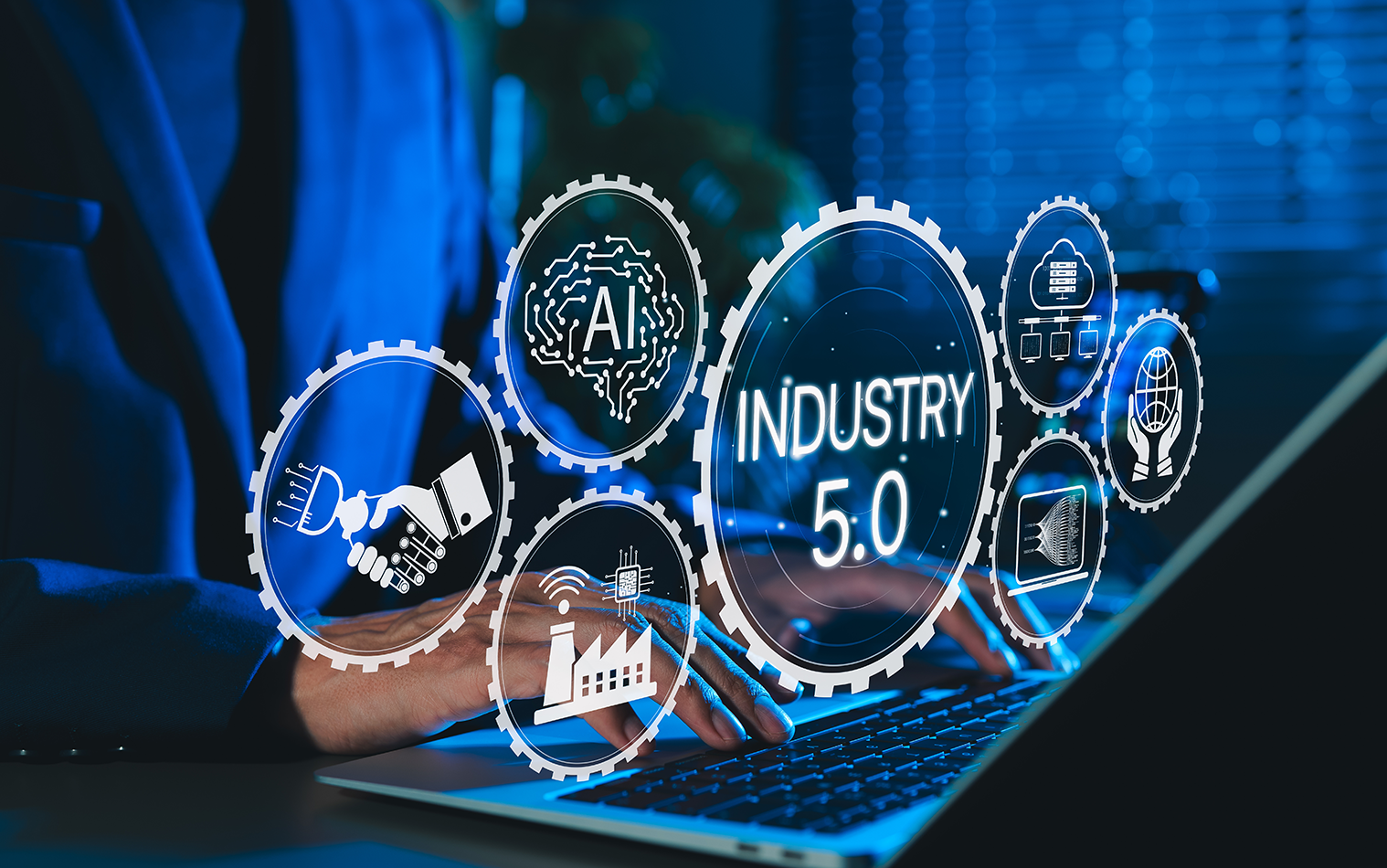
Those who have spent time in the process industries over the past decade — whether in oil and gas, water and wastewater, food and beverage, pulp and paper, mining, chemicals, semiconductor manufacturing or other sectors — have almost certainly encountered terms like “Industry 4.0” and “Digital Transformation.” These phrases can mean a multitude of things to different people, often as varied as the unused data points sitting in field instruments across a typical plant.
This era marked a monumental methodological shift: the blending of information technology (IT) and operational technology (OT), the move from on-premises systems to edge and cloud computing, and the essential connectivity of assets to create more unified and efficient facilities.
However, with connectivity now commoditized, the focus is shifting to what processors can do with the masses of data. Enter Industry 5.0, a paradigm that transcends communication and connection, pursuing the proliferation of analytics tools at scale, the integration of artificial intelligence (AI) into human workflows and a renewed focus on how the wide breadth of available data can support improved safety, efficiency and profitability across entire enterprises.
For most end users, managing complex instrument and equipment lifecycles around their plants, primary priorities are no longer centered on data collection; they are instead focused on creating insights, reducing waste, eliminating operational bottlenecks, reducing manual labor and transitioning from reactive troubleshooting to preventative and predictive maintenance.
From dashboarding to decision-making
In the earlier stages of digitalization, industry focused heavily on creating pipelines to bridge data from multiple sources in a central location for display on dashboards. This unified plant narrative drastically improved process visibility and paved the way for comprehensive historical trending, improved alarming and actionable plant insights.
Thankfully, dashboards with real-time process data are now widespread, and remote connectivity to plant visualization and control applications is commonplace. However, today’s push to leverage self-learning AI models that foster predictive maintenance and improve decision-making is insatiable. This effort seeks to transform the story of what is occurring at the plant into a forecast of what is to come. This advanced science transcends software on the plant floor, moving deep to the edge or even the cloud.
Industrial organizations can unlock these Industry 5.0 data science opportunities on a bedrock of thoughtful data governance strategies. Instead of inundating operators with alarms and alerts, joint process engineering and software development teams must work together to present actionable insights to those tasked with running the plant. These insights are derived from raw process data, but they are first filtered and analyzed appropriately with context prior to operator presentation. This computation can occur at the edge, in a host controller or right onboard a smart instrument.
Conventional instruments transmit a single electronic signal representing a process variable directly to a host controller to run equipment as needed. However, today’s digital smart instruments can leverage digital communication capabilities to route streams of instrument health information — along with additional process diagnostics — over the network to an array of plant management software systems.
This information aids long-term instrumentation reliability and ease of maintenance. For example, many Endress+Hauser instruments are natively equipped with Heartbeat Technology, which leverages continuous self-monitoring to facilitate predictive maintenance. With continuous monitoring of internal device parameters and signal quality trends, plant personnel can identify potential issues before they cause measurement failure, promoting proactive maintenance scheduling to minimize unplanned downtime and revenue losses.
These types of advanced capabilities can also reduce required calibration frequencies, with robust diagnostics and verification often permitting extension between calibrations, saving time and resources, while maintaining safety standards.
Additionally, onboard recordkeeping capabilities — such as Endress+Hauser’s HistoROM data storage — enable seamless data integrity, audit trails and component replacement. With all device parameters and configuration data stored on an integrated memory chip for easy transfer to the replacement transmitter electronics, this helps ensure rapid and error-free electronic component replacement, so technicians can get instruments back online quickly without complex and time-consuming reprogramming requirements.
These sorts of statistics also characterize baseline and problematic performance, and they facilitate operator notification of issues, prompting maintenance teams to quickly assess and address challenges prior to failure. They also empower operators to focus on running the plant as efficiently as possible, instead of interpreting the meaning behind alarms, or making reactive assumptions based on outdated or inconclusive information.
Bridging the workforce gap with smart ecosystems
As industrial veterans continue to retire, the urgency for digital evolution is only compounding. However, as these retirees take decades of tribal knowledge with them, the good news is that the incoming workforce includes digital natives who are highly adept at navigating digital interfaces.
To bridge this skills gap, leading instrument suppliers are developing data ecosystems to provide guided troubleshooting. Plants equipped with these systems no longer require technicians to memorize error codes — which can take years of repeat exposure — to resolve many potential issues.
For example, Endress+Hauser’s Field Xpert SMT70B, a ruggedized Windows-based tablet, allows technicians to connect to a vast swath of instruments—supporting more than 4,000 device drivers—and drill directly into automatically-analyzed instrument and process diagnostic data. This information provides root cause insights when issues are detected, along with step-by-step guides for addressing them (Figure 1).
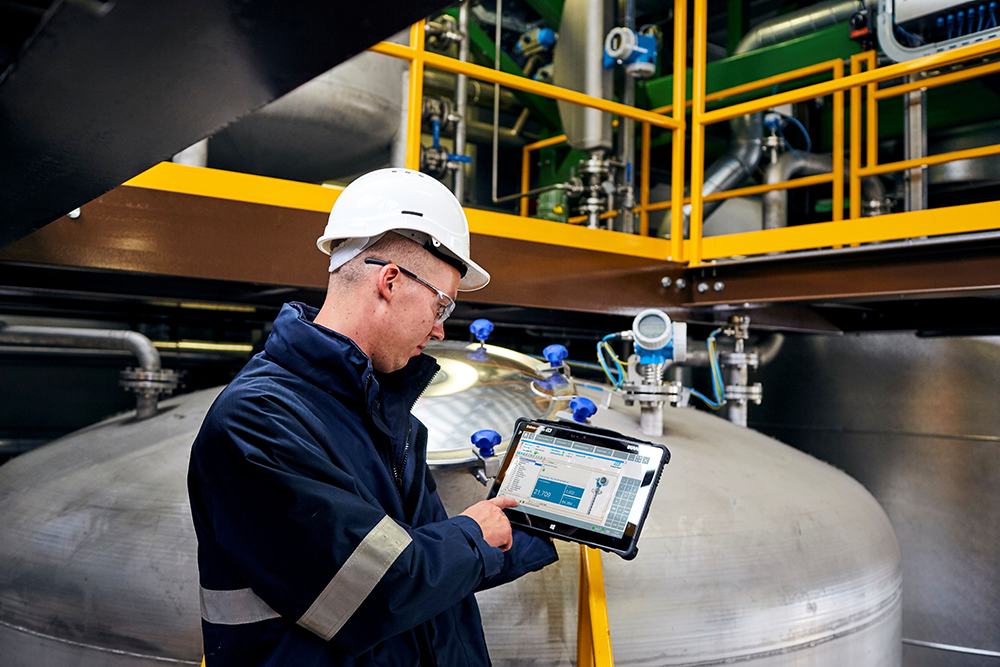 Figure 1: Plant technicians are increasingly leveraging enhanced commissioning, diagnostic and troubleshooting technologies available via wireless devices, such as the Endress+Hauser Field Xpert SMT70B, to help conduct daily work and discover valuable instrument and process insights.
These supportive workflows encapsulate the ethos of Industry 5.0, in which technology is a partner for human operators, technicians, engineers and managers.
Migrating to management
The “brownfield reality” is one of the greatest challenges facing process industries. Most plants are built over decades, with diverse installed bases.
For example, one chemical manufacturing company with a steadily expanding roster of instruments over the course of 30 years struggled to keep up with maintenance needs. As asset registers grew into the hundreds, thousands and tens of thousands, it needed more than just spreadsheets to track maintenance and condition information. It was challenging enough for plant personnel to simply keep track of active instruments, let alone execute proactive maintenance.
By using the Field Xpert SMT70B in conjunction with Endress+Hauser Netilion, a cloud-based IIoT ecosystem, the manufacturer conducted a dynamic install base analysis, which consisted of technicians walking the plant, connecting to all devices — supplier agnostic — and populating a comprehensive register of facility assets. This created an organized, central, digital database with calibration records, manuals and instrument parameter settings.
This move from reactive to proactive lifecycle management was an essential first step for the company to begin using comprehensive diagnostic information for adoption of predictive maintenance workflows down the road.
Safety and efficiency in risky environments
The digital journey also advances human safety efforts. Historically, distillery maintenance required technicians to climb on top of tanks and squeeze into tight spaces with multimeters and laptops to service instrumentation, creating safety risks. One distillery used the Field Xpert SMT70B to significantly optimize this workflow.
By leveraging the tablet's Bluetooth capabilities, technicians surveyed the facility, registering all level, pressure, temperature, flow and analytical instruments in a Netilion database (Figure 2). Very soon, this asset register empowered them to conduct rounds and health checks of hard-to-reach instruments with their feet squarely on the ground, avoiding hazardous heights and confined spaces. Furthermore, the distillery began using the tablet’s Digital Commissioning App to automate parameter documentation.
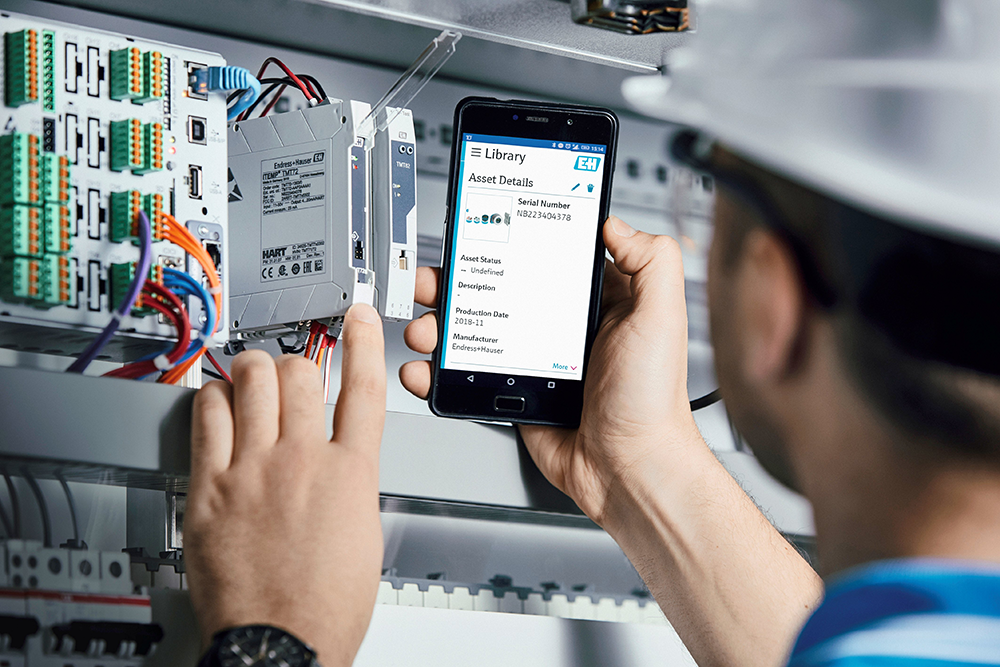 Figure 2: Endress+Hauser’s Netilion cloud-connected enterprise management platform stores critical instrument information—such as calibration records, manuals and instrument parameter settings—for quick reference from anywhere in the world.
In highly regulated industries, the time spent writing reports often exceeds the time spent fixing equipment. By automating verification report generation, the facility ensured regulatory compliance, while simultaneously freeing technicians to spend more time improving operational efficiency instead of pushing paperwork.
With the right care, connectivity produces growth
While many processors are enjoying the benefits of central dashboards and focusing their digitalization efforts on process optimization, the critical takeaway for all organizations is progress relative to today. To further these efforts and establish insights, automated modeling and robust predictive maintenance programs, connectivity is essential.
As industry continues to address the challenges of a changing workforce and brownfield analog assets, the case for smart instrumentation and centralized digital ecosystems grows stronger by the day. Digitalization does not occur instantaneously, but it is instead a disciplined mindset of continuous improvement that requires diligent planning and execution. Digital technology adoption and innovation is constantly unlocking data that would otherwise be isolated and lost in field instruments, empowering organizations to get more from their assets and operate their businesses more profitably.
All figures courtesy of Endress+Hauser