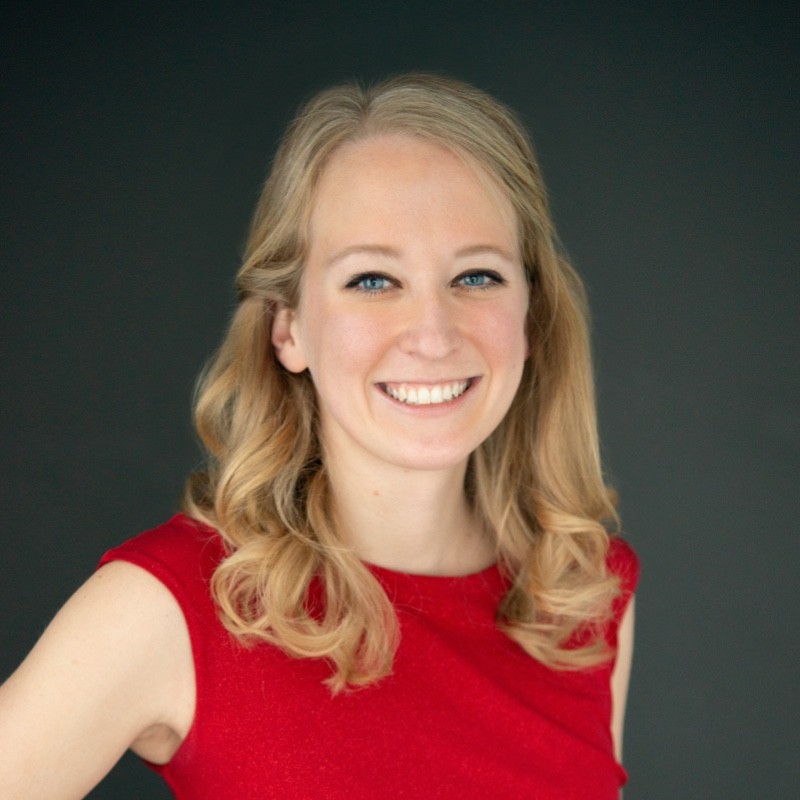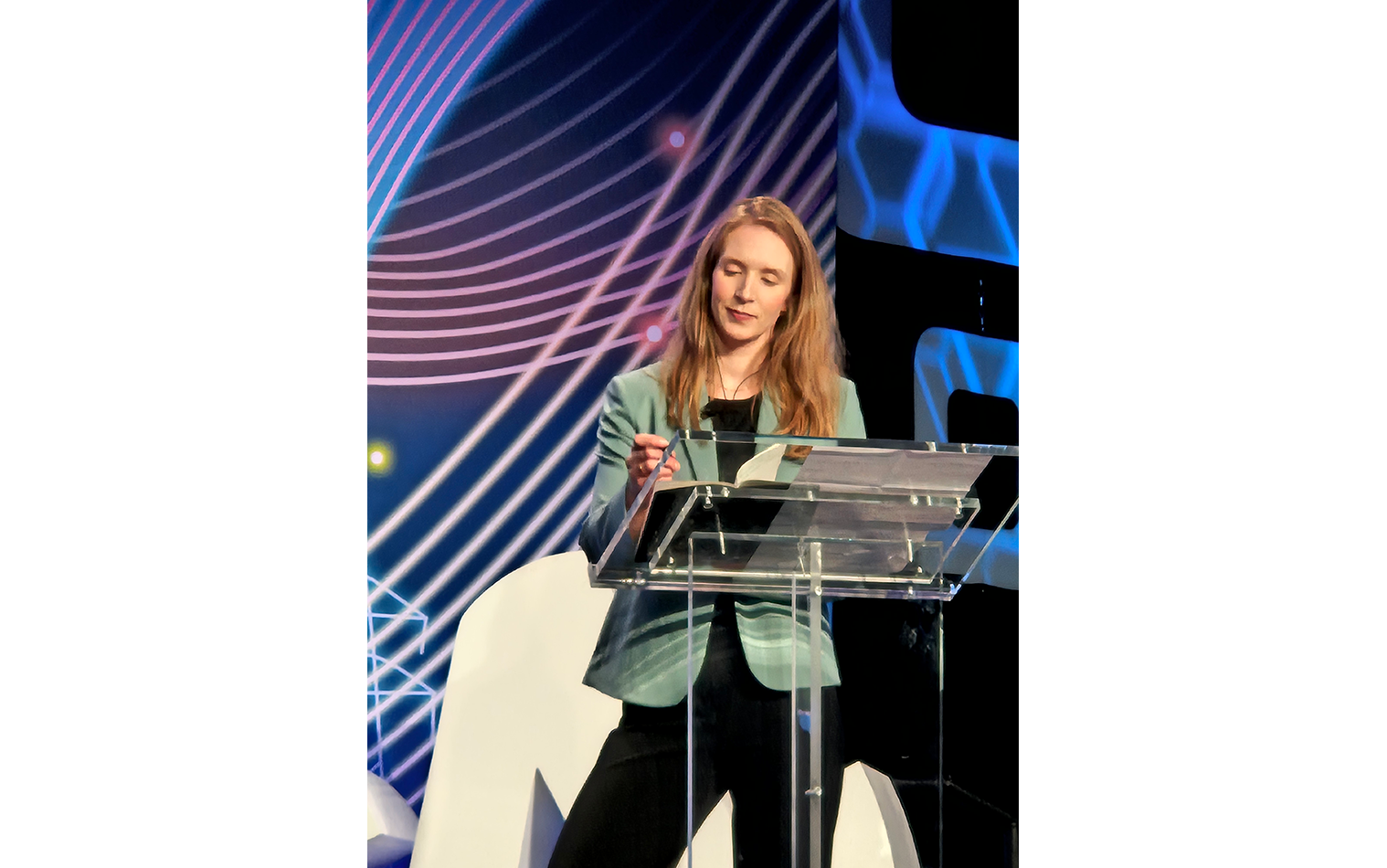
The International Society of Automation (ISA) has named Sarah Fluchs, PhD, CTO of admeritia, a 2026 ISA Fellow. Fluchs is known for representing the needs of engineers in the OT sector at the highest level of cybersecurity policymaking. She served on Singapore's national OT Cybersecurity Expert Panel and has repeatedly taken leadership in international standardization, which was recognized by ISA with its Excellence in Standards Award in 2025. Currently, she serves as a co-convenor for preparing the next edition of the ISA/IEC 62443-3-2 Standard on cybersecurity risk assessments.
Steve Mustard nominated Fluchs for bringing an engineering mindset into cybersecurity, making cybersecurity more accessible and measurable.
Q: What does this award mean to you?
A: I’m an automation engineer by training and at heart, and advancing the automation profession is what I strive for. The ISA Fellow recognition is a strong signal that what I do matters to automation engineers, which for me is the ultimate validation.
Also, many of the existing ISA Fellows I have been looking up to since the beginning of my career — impressive leaders like Joe Weiss, Eric Cosman, Eric Byres, Marco Ayala and Ed Marszal. I have read their writings, heard them speak, followed their leadership, and taken their advice. Being elevated next to them humbles and honors me.
Q: What are you working on now?
A: I’m working on making cybersecurity feel more like engineering, making it proactive, measurable and accessible. I spend most of my time leading a software team and building software for security engineering. We are integrating the right principles into the software. Building software is a great way to reach a lot of people. Engineers love tools. We can reach a lot more people that way than by consulting one on one.
I just started a new community initiative, a community project on communicating cybersecurity well. The project was well timed because we have the European Cyber Resilience Act (CRA) now, which dictates that every product must have a cybersecurity manual with it. I see this as a chance to really communicate the importance of cybersecurity to the people using the product.
Q: What ISA committees/projects have you worked on?
A: I first was involved in ISA-84, which is the committee about functional safety standards, and there I worked on report called ISA-TR84.00.09, which is on integrating safety and security risk assessment. That was great because I really learned a lot about functional safety and about which approaches from safety engineering do or don’t work for cybersecurity. I served for a couple years on the Standards and Practices Board, which oversees the different standardization committees. I’ve been a managing director of ISA-99, the Cybersecurity Standardization Committee. Through that, I learned a lot about the work that needs to be done behind the scenes so that volunteers can write great standards at ISA.
Now I’m part of ISA-99, which is the Cybersecurity Committee. We are working on the risk assessment part of ISA/IEC 62443.
Q: What advice would you like to offer to future or young automation professionals?
A: Find a problem that really excites you and then stick to it. It doesn’t matter what the problem is. If it’s something that interests you, it gets more exciting the more years you invest in it. My chosen problems for bridging engineering and cybersecurity were risk assessments — because that’s the closest thing we have in cybersecurity to a sound engineering methodology — and then bigrams to reflect cybersecurity decisions. Focusing on chosen problems like that will help young professionals bring value from day one. The truly rewarding problems are the ones that take more time than you think. It got more rewarding and impactful over time. So find something and stick to it. Don’t let anyone tell you that you need experience before you can take on difficult problems. You just need a fresh mind. ISA is a good place to find people who are still open to exchanging new ideas.
Q: Please describe a challenge you faced during your career and how you got through it.
A: When I was just starting out in my career, I picked my problems of interest really early. I began telling people that how we approach security engineering is not right, and something about how we do risk assessments doesn’t feel like engineering. I saw a problem, but I felt like no one else really saw it. I applied to a lot of conferences, primarily in Germany and throughout Europe, and I got rejected a lot of the time. In Germany, cybersecurity was really still a niche topic.
So I widened my search radius and kept looking for people who would understand what I was talking about. I found it in the US at the S4 conference. I gave a presentation on the mainstage that began with these words: “Security engineering doesn’t deserve to be called engineering.”
Through that presentation, I became connected with researchers in the U.S. who were working on the problem that I was concerned about and interested in.
Q: Anything else you’d like to share with the ISA community?
A: We’ve become good at assessing and addressing cyber risk — but the next step is becoming better at communicating it. We’ve become good at managing risk at asset owners and manufacturers, but the next step is to manage the interface between them. In other words: We need excellent Cyber Manuals to come with each product. This is what I want to work on next with the automation community.
ISA Automation Summit & Expo Honors & Awards Gala
Sarah Fluchs, along with the other ISA Fellows recognized in 2026, will be celebrated during the Honors & Awards Gala at ISA Automation Summit & Expo at Lake Buena Vista, Florida, on 28 September 2026. The other 2026 fellows include: John Cusimano, Andrew McDonald, Ramachandra Kerur, Rao Mannepalli, Glenn Anthony Merrell, Eloise L. Roche and Constantino Seixas Filho.
What is an ISA Fellow?
The esteemed Fellow member grade is one of the highest honors ISA can bestow. It recognizes only those senior members who have made exceptional contributions to the automation profession, in practice or in academia. Fellows often play an outsized role in furthering the organization, whether through active leadership positions or by volunteering to speak at conferences, write articles or lead committees.
About ISA
The International Society of Automation (ISA) is a non-profit professional association founded in 1945 to create a better world through automation. ISA’s mission is to empower the global automation community through standards and knowledge sharing. ISA develops widely used global standards and conformity assessment programs; certifies professionals; provides education and training; publishes books and technical articles; hosts conferences and exhibits; and provides networking and career development programs for its members and customers around the world.