When you think about it, the term CNC automation is somewhat misleading; after all, CNC is automation. Without it, we’d still be machining parts by hand. Rather, it’s the scope and degree of automation available today that has shop owners excited. Recent advancements offer new opportunities worth discussing.
Right now, much of the automation buzz is about “lights out” manufacturing: the ability to machine parts 24/7 without human operators. This enables shops to increase utilization and productivity by adding second, third, and weekend shifts without increasing labor and overhead costs — while improving quality by reducing human error. while improving quality by reducing human error.
At the same time, lights out manufacturing requires significant upfront investment in automation, machines, and advanced technology. It also sacrifices flexibility; with no one on-site, shops cannot make changes or quickly respond to unexpected situations, from a down machine to a time-sensitive customer request.
The bottom line: lights out manufacturing can positively impact a shop’s productivity and profit under the right conditions. Some machines — like grinders, lathes, and horizontal machining centers — are better adapted to running unattended than others. Likewise, some materials yield better results. Softer materials like aluminum are easier on tools than titanium, reducing the chance of finding a basket full of rejects due to excessive tool wear.
The key takeaway is that lights out machining can be great but might not fit every machine, job, or shop. While much automation buzz is about lights-out operations, there’s still more to say about what automation can do when the lights are on.
Let’s Talk Lights On!
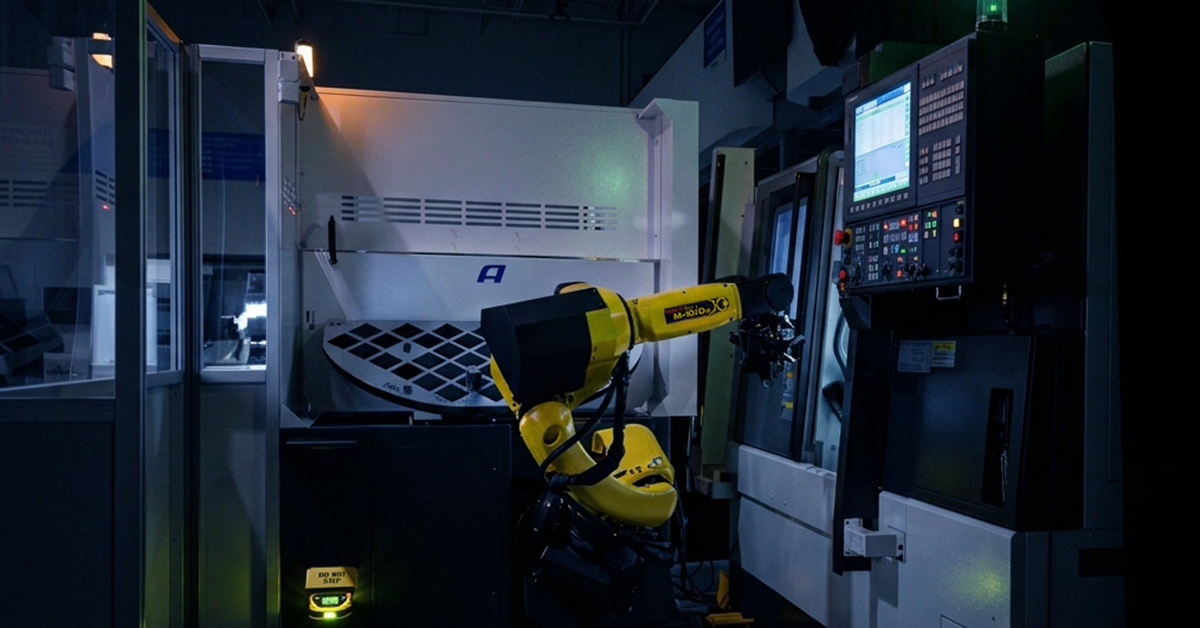
Lights on automation refers to machining tasks and processes completed without human intervention during operating hours. Systems range from bar feeders and parts catchers to pallet pools, gantry loaders, robotics, and more. While lights out manufacturing is an excellent capability, lights on manufacturing helps pay the bills day in and day out, enabling shop owners to:
- Take on more work and realize better ROI
- Improve margins by lowering cost per piece
- Shorten lead times
- Optimize employee value
- Reduce scrap
The Evolving Role of the Machinist
Among the significant impacts of automation is the changing role of the machine operator. Instead of repetitive, task-oriented jobs, operators do more process management. Automation also handles much of the complex programming for processes that traditionally required a technician, reducing training, and onboarding for new operators.
Automation has often been unfairly characterized as an effort to replace workers, creating apprehension among operators. The reality is different. By increasing productivity, automated systems enable shops to take on more work, which requires additional process-management expertise.
Ultimately, shop managers must ensure automation and employees are used for the tasks for which they are best suited. This requires evaluating each task and process in every cell: Is it the best use of the operator’s time and skill set? If not, could automation free the operator to focus on a higher-value task?
Using automation to fully utilize employees’ talents improves production and creates a more rewarding atmosphere in which employees can grow and thrive. The ability to focus on engaging work helps employees feel more valued and can decrease injuries and accidents. Highly knowledgeable individuals cannot be replaced because of the value they bring to the machining process.
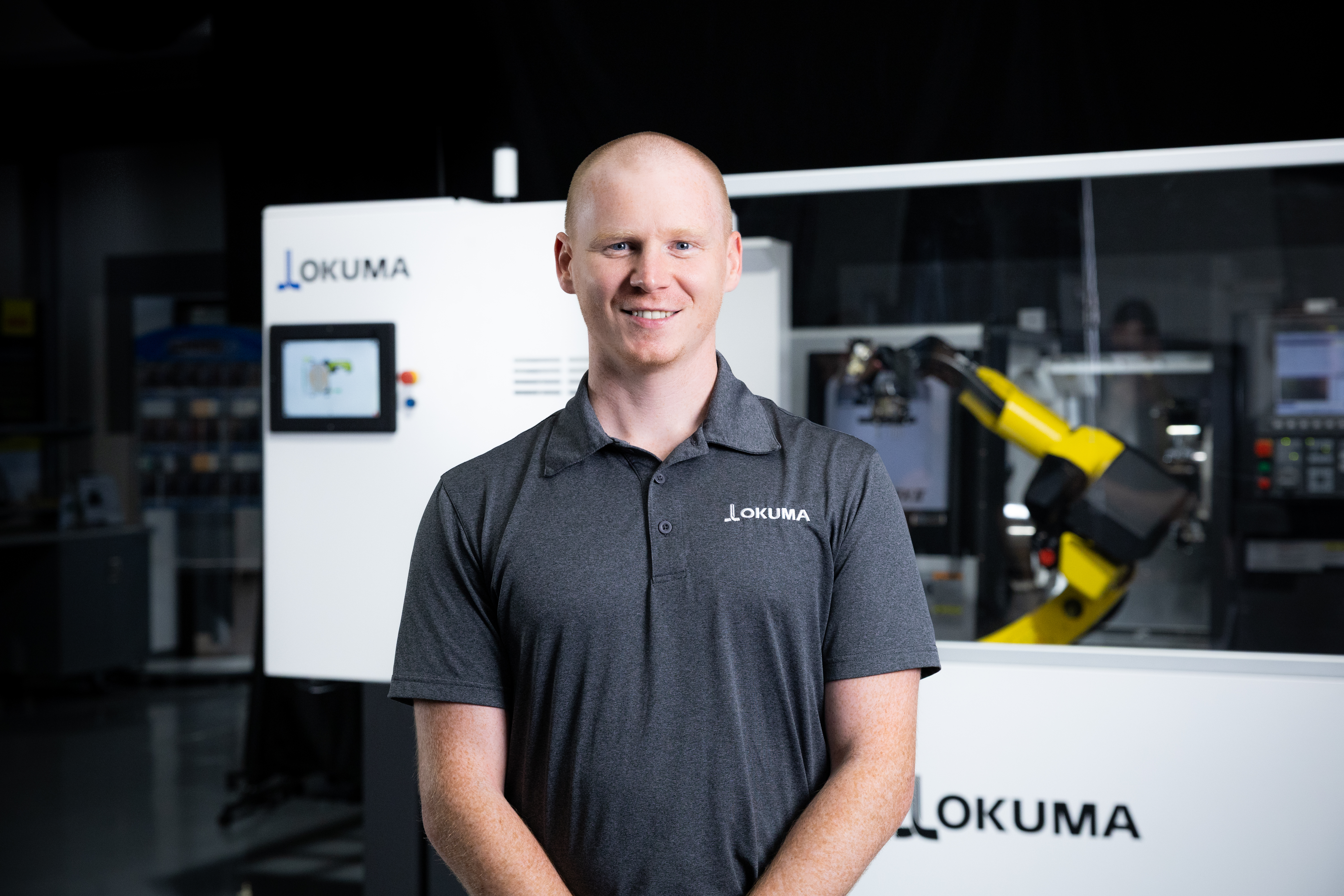
Still, many shops feel they are in unfamiliar waters when implementing and integrating automation technology. This is where an experienced partner like Okuma can help.
Okuma Factory Automation
No two manufacturing operations are exactly alike, so Okuma Factory Automation offers solutions to match a range of production needs. Standard systems, including automatic pallet changers, Okuma Gantry Loaders, and Okuma Robot Loaders, provide proven automation that can be quickly integrated. For more complex applications, custom solutions can be engineered around existing machines, unique workflows, and specific production requirements. From the first consultation through integration and ongoing support, Okuma works with shops to build an automation approach that fits current operations and can evolve with it in the future.
What Does Your Automation Roadmap Look Like?
Whether large or small, high-volume/low-mix or low-volume/high-mix, every shop can benefit from automation — especially as the industry faces a scarcity of available workers. An automated shop is more productive and more attractive to employees looking for fulfilling, engaging work.
With a large ecosystem of solutions and infrastructure provided by partners like Okuma, it has never been easier to develop and implement a customized automation roadmap.
Contact your local Okuma distributor for more information on starting your automation journey.