-

 ISA provides technical resources and standards to help industrial automation professionals advance their careers and the field. We enable automation professionals worldwide to solve problems and enhance their skills by bringing people together to create new technologies and share best practices with future automation professionals.
-
ISA Resources
-
Upcoming Events
-
Industry Insights
-
Consortia
-




Articles and News
421 Results Found
-

The Benefits of Operator Training Simulators in the Modern Industrial Plant
Corporate operator training simulators enable companies to share training materials globally. By developing OTS systems on virtual servers, organizations can start training well before system commissi -

How to Use Plant-Wide Feedforward for More Flexible and Efficient Production
The use of plant-wide feedforward control can move a plant quickly and smoothly for more flexible and efficient manufacturing. -
Cascade Control of Superheated Steam Temperature with Neuro-PID Controller
Superheated steam temperature plays an important role in the security and economy of power plants. Control of superheated steam temperature is not only economically essential in terms of improving lif -

Are Smart Devices in a Plant Your Most Valuable Assets?
Are Smart Devices in a Plant Your Most Valuable Assets? -
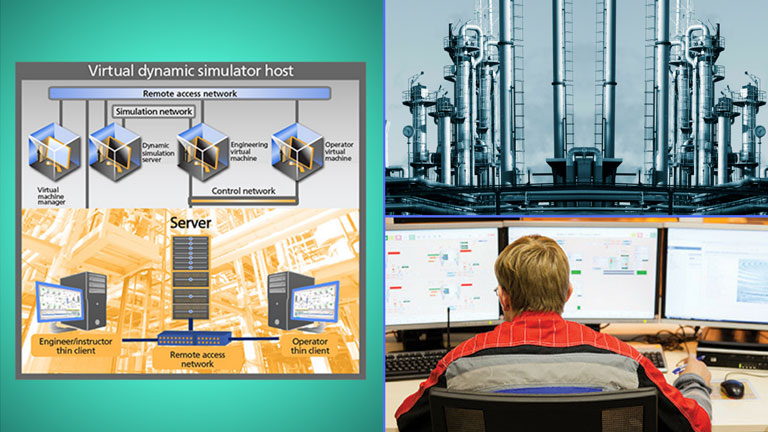
How to Achieve Process Simulation Fidelity
Use tieback models, modeling objects and online adaptation of dynamics and parameters to achieve the fidelity needed for simulation applications. -

How to use Mobile Devices to Improve Operator Effectiveness
How to use Mobile Devices to Improve Operator Effectiveness -
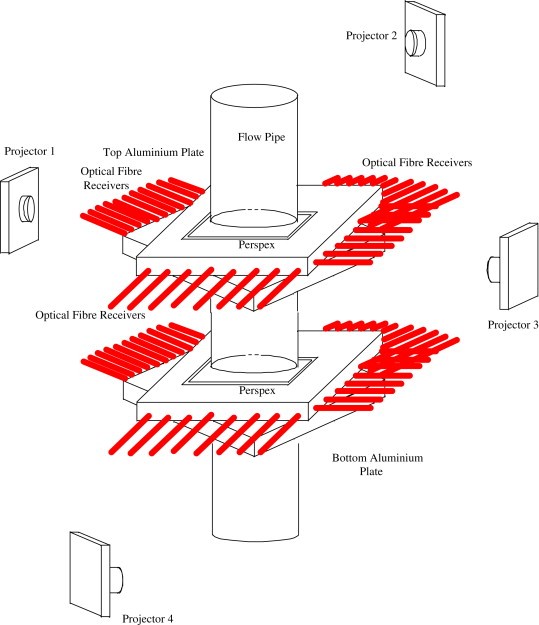
Concentration Measurements of Bubbles in a Water Column Using an Optical Tomography System
Concentration Measurements of Bubbles in a Water Column Using an Optical Tomography System -
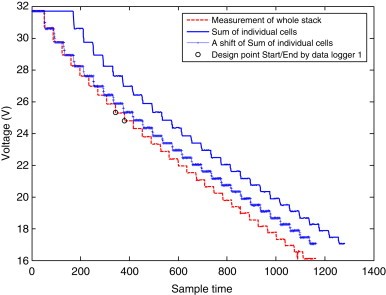
A Robust Data Treatment Approach for Fuel Cells System Analysis
Technical paper focuses on the implementation of a practical approach for fuel cells system data analysis. -
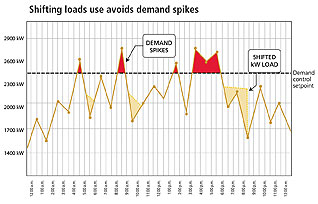
How the Right Automation Can Turn Your Electricity Bills into a Competitive Advantage
Even businesses with complex, energy-intensive production processes can control electricity use without compromising production. An advanced demand management system enables key strategies. -
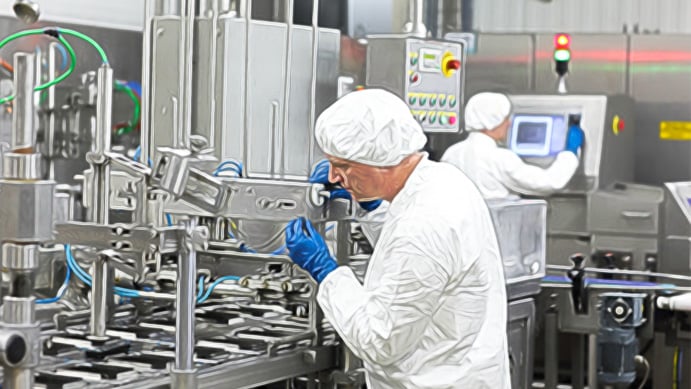
Automation Offers a Competitive Advantage in the Dairy Industry
Automation offers a key competitive advantage in the dairy industry. It is time to upgrade or replace aging PLCs, drum timers and selector switches. Invest in technologies that will squeeze out 1 or 2 -
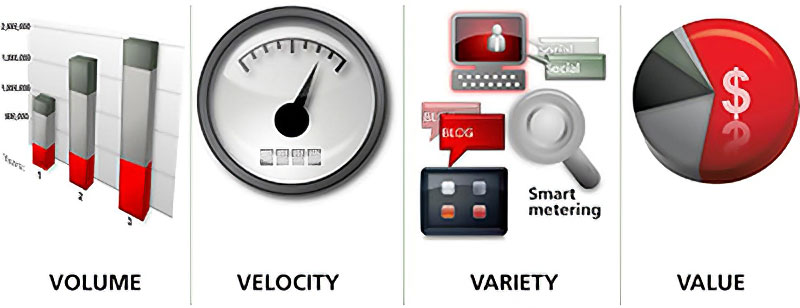
Putting Big Data to Productive Use in Manufacturing
Process industries can leverage big data to realize value through compelling manufacturing use cases. Get familiar with big data terminology, technologies, and techniques. -
How to Reduce Development Time and Industrial Project Risk by Testing and Proving New Code
If a piece of code is to be replicated many times, always have two different people independently test it whenever possible. -
Automation Week 2013: most thought-provoking and far-reaching technical program ever
Automation Week 2013: most thought-provoking and far-reaching technical program ever -
First Principles for a Deeper Understanding of Industrial Automation
Conceptual knowledge should be sought to see the commonality in seemingly different industrial application requirements. -

Nine Technologies to Watch for the Automation Industry
Many of the hottest technology trends today represent a convergence of largely internet and IT-based enabling technologies. -

Big Data Focus at 2013 ISA Water/Wastewater Symposium
Big Data is Big News in just about every corner of our digitally connected world. Leveraging massive amounts of process data archives is a game changer for practically any industrial process, enabling -
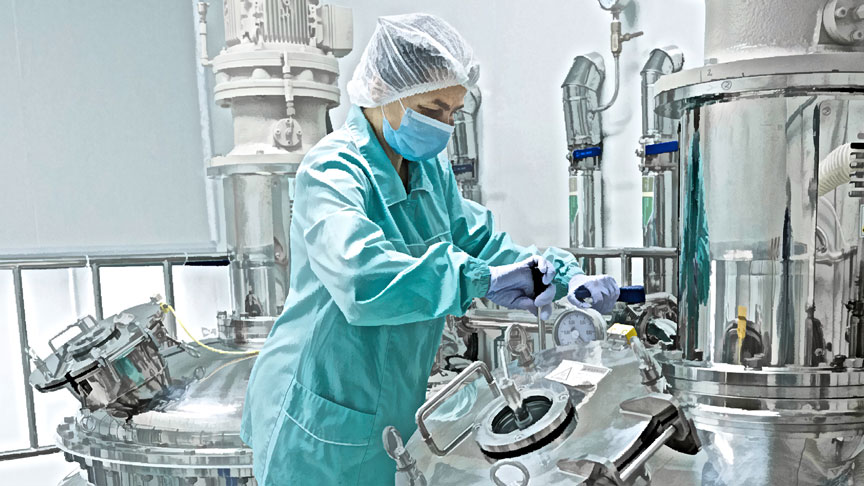
Use Field Analyzers to Measure Key Component Concentrations
Field analyzers enable a higher level of control, such as model predictive control, to improve product quality and process efficiency and capacity. -

What Are the Opportunities and Challenges for Alternative Energy?
How can we produce enough sustainable energy while avoiding unacceptable environmental consequences? ISA's book, Future Energy, explores the options. -

How to Use Simulation and Virtual Plants for Process Improvement
First principle models & experimental models in a virtual plant offer powerful tools for process control improvement and an operator training system. -
Always Design in Spare Capacity to Allow for Industrial Plant Expansion
A common rule of thumb for most systems is to add at least 25 percent spare capacity to the original design.


