-

 ISA provides technical resources and standards to help industrial automation professionals advance their careers and the field. We enable automation professionals worldwide to solve problems and enhance their skills by bringing people together to create new technologies and share best practices with future automation professionals.
-
ISA Resources
-
Upcoming Events
-
Industry Insights
-
Consortia
-




Ask the Automation Pros
This long-running series of discussions, curated by 2010 ISA Life Achievement Award recipient Greg McMillan, gathers responses from ISA subject-matter experts on technical topics important to industrial automation professionals, academics and students.

168 Results Found
-
Feature
Free Download: Checklists to Manage Instrumentation and Manufacturing Technology
Information needed to take advantage of the best industrial technology and address all of the considerations of an application is often difficult to find. -
 Feature
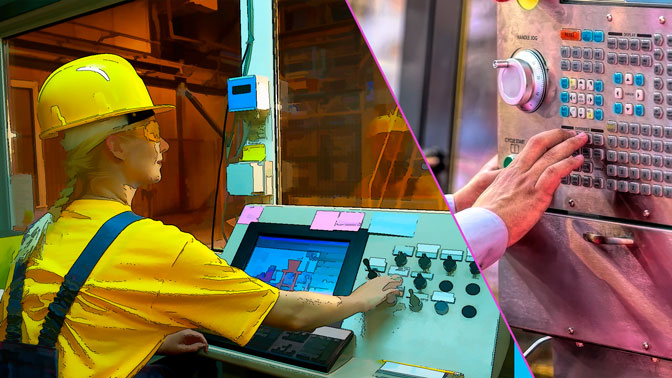
The Value of Messaging in Industrial Control Systems
If the information is detailed & useful, an operator will be able to run a control system much more independently & resolve problems without outside help. -
 Feature
Use Wireless Transmitters for Diagnostics, Improvements, and Metrics
Wireless transmitters can rapidly prototype, demonstrate, analyze and justify installations of online diagnostics, metrics and improvements. -
 Feature
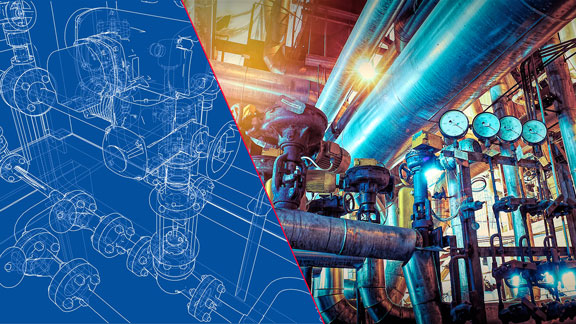
How to Select the Best Control Valve Location
Locate control valves to be maintainable, provide fast injection into mixing zones, and prevent flashing and cavitation. -
 Feature
The Benefits of Teamwork for a Industrial Project Start-up or Plant Outage
Take the time (and spend the money) to show appreciation to the crews on an industrial project start-up or during a major production outage. -
Feature
How Optimal Measurement Location Maximizes Sensor Sensitivity and Signal-To-Noise Ratio
The best measurement location maximizes the sensor sensitivity and maximizes the signal-to-noise ratio and minimizes deadtime. -
 Feature
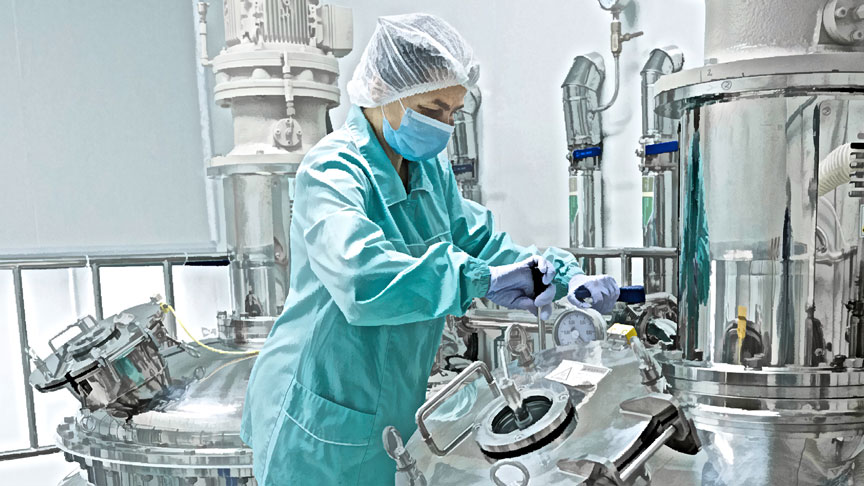
Use Field Analyzers to Measure Key Component Concentrations
Field analyzers enable a higher level of control, such as model predictive control, to improve product quality and process efficiency and capacity. -
Feature
Industrial Tip: Project Management Is Really Risk Management
As a project manager, continuously monitor everything for signs of problems and immediately inquire if something seems amiss. -
 Feature
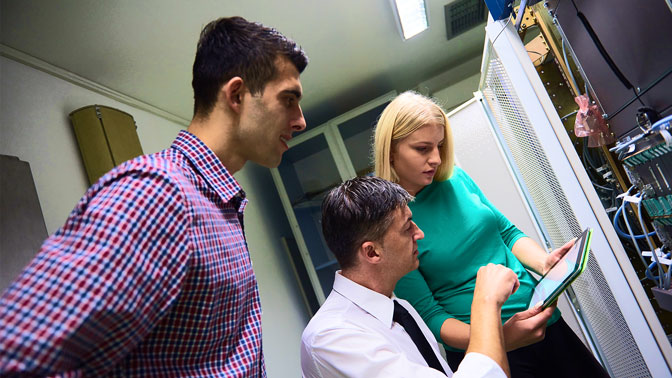
Opportunities and Challenges for New Automation Engineers
There are many opportunities and some challenges for new engineers entering careers in industrial automation and manufacturing. A Q&A offers many insights. -
 Feature
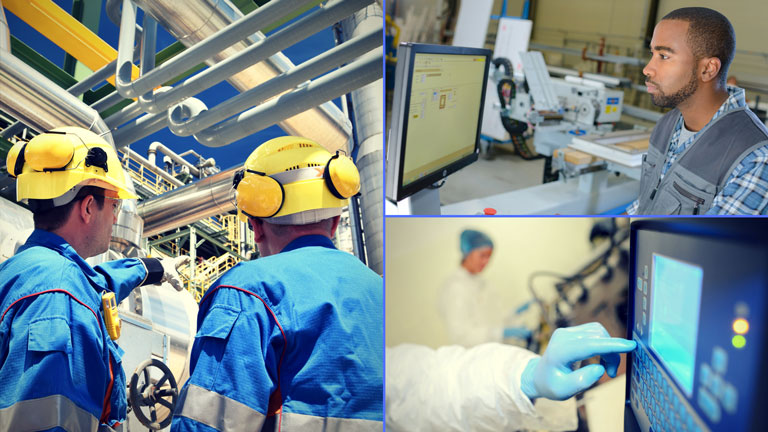
Why You Should Use the Best Automation Technology, Even if the Price Tag Is Higher
Do not go with cheaper instrumentation unless you are certain the impact on maintenance and process performance is (and will continue to be) negligible. -
 Feature
Why New Engineers Should Get Plant Experience Early
When searching for a job, seek out plants that have at least one seasoned engineer under whom you can work. -
Feature
How to Achieve Greater Manufacturing Efficiency With Online Process Metrics
Add flow measurements to every important stream and compute online metrics for the process efficiency and capacity of each key unit operation. -
 Feature
Why Industrial Engineers Should Learn to Estimate Jobs
Estimate each process industry job before starting it and always follow up and compare the final cost figures against the initial estimate. -
Feature
Always Design in Spare Capacity to Allow for Industrial Plant Expansion
A common rule of thumb for most systems is to add at least 25 percent spare capacity to the original design. -
Feature
How to Improve Setpoints in Industrial Processes
Setpoints in industrial automation and manufacturing processes can be improved by achieving a higher level of control and knowledge. -
Feature
Murphy's Law Is Alive and Well in Industrial Processes
Automation engineers love to create complex solutions. But try not to complicate a solution any more than necessary. -
 Feature
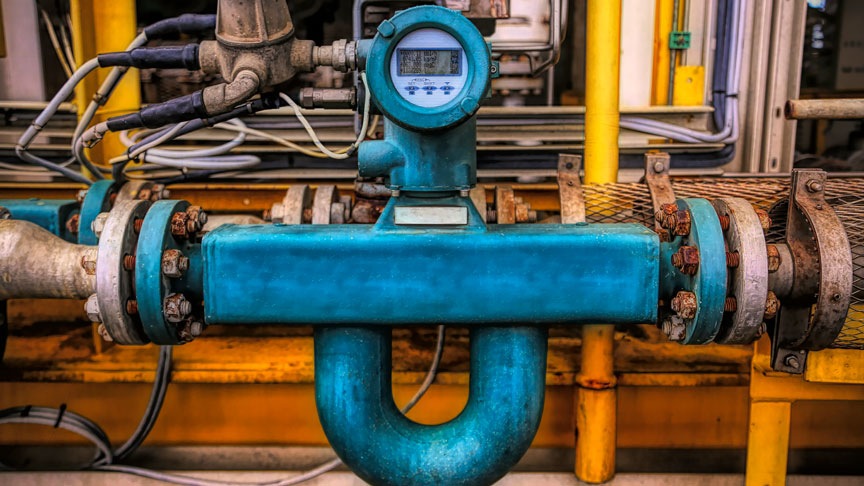
How to Use a Coriolis Meter for Mass Flow and Concentration Control
Coriolis meters can be used for measuring liquid flows in batch, fed-batch and continuous operations. -
 Feature
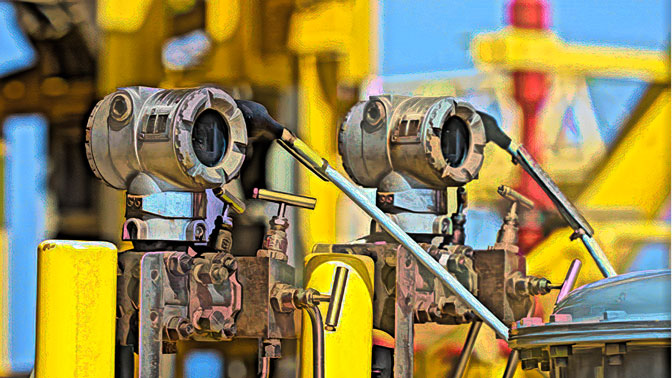
Benefits and Shortcomings of Vortex Flowmeters
Vortex flowmeters are a good choice for measuring the flow rate of any reasonably clean fluid where measurement at very low flows is not required. -
 Feature
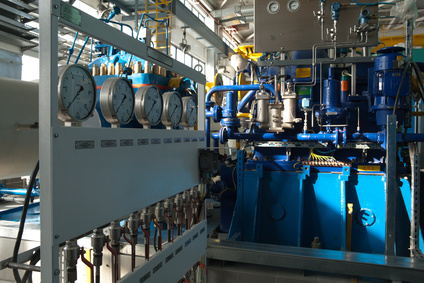
How Equipment and Operating Conditions Affect Process Dynamics
Simple material and energy balances can be developed to understand the effects of equipment design and operating conditions on process dynamics. -
Feature
What are the Strengths and Weaknesses of Differential Pressure Flow Devices?
Each type of differential pressure flowmeter has a variety of pros and cons but the sheer number of types provides many options to the engineer


