In a time of economic uncertainty, U.S. manufacturing and distribution leaders are showing surprising optimism. According to the latest Sikich Manufacturing Industry Pulse, executives report the highest business‑confidence score since the survey began in 2017 — 7.27 out of 10 — a 6% increase from May 2025. More than half of manufacturers continue to see steady or increasing customer demand, and 81% expect revenue growth in 2026.
This momentum isn’t just sentiment. It’s driven by strategic adaptation, operational innovation and a renewed focus on resilience. Manufacturers are no longer merely reacting to disruption; instead, they are proactively strengthening their businesses for long‑term stability through automation, digital transformation and smarter supply‑chain strategies.
What’s Driving Optimism?
Even amid ongoing inflation, tariff pressures and geopolitical shifts, manufacturers are finding opportunities to improve agility and performance. Operational efficiency has emerged as the top strategic priority, with 39% of executives ranking it above cost cutting, signaling a continued push to optimize processes and improve margins heading into 2026.
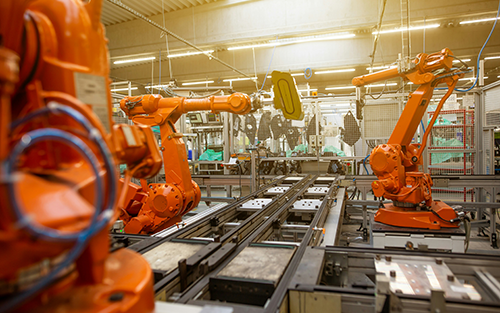
Confidence is also supported by clear investment plans: more than 56% of manufacturers are planning major investments in new equipment and automation over the next 6 to 12 months, indicating transformation is shifting from exploration to execution. At the same time, 28% plan to invest in AI or data analytics to improve forecasting, quality and real‑time decision‑making.
Adapting to economic headwinds
While the outlook is strong, manufacturers remain realistic about ongoing challenges. Inflation and cost pressures require continued discipline. Many companies are using a combination of pricing strategies and efficiency improvements to maintain margins without compromising competitiveness.
Workforce shortages continue to challenge production capacity, especially in skilled technical roles. Yet the response is increasingly proactive: the survey shows 58% of manufacturers expect to grow headcount in the next 12 months, driven by rising demand and the need for new technical capabilities to support advanced technologies. Companies are investing in upskilling, collaborating with technical education partners and adopting automation to augment labor rather than replace it.
Supply‑chain resilience remains a priority as leaders rebalance sourcing and capacity. The survey responses point to targeted investments in capacity, supply‑chain optimization and technology enhancements, alongside strong demand and revenue expectations.
Where manufacturers are investing in 2026
Manufacturers are prioritizing investments that strengthen their operational backbone, with new equipment and automation leading at 56%. This reflects a continued push to modernize production, boost productivity and reduce variability, especially as companies work to meet demand with leaner teams and more advanced production environments.
At the same time, leaders are focusing on the people and technology capabilities needed to support that modernization. Talent development (30%) and AI/data analytics (28%) rank next, underscoring manufacturers’ dual need to upskill their workforce while expanding digital intelligence across operations. Investments in cybersecurity (19%) and broader operational stability remain critical as plants grow more connected and data driven.
Additional investment areas reflect strategic positioning for long term resilience. Nineteen percent of manufacturers say they are not planning major investments in the next 6 to12 months, while others are focusing on mergers and acquisitions (13%), supply chain restructuring or reshoring (11%), and sustainability initiatives (11%) – moves that help companies strengthen resilience, diversify networks and support future growth.
Innovation and the road ahead
Looking ahead, adaptability remains essential. Manufacturers are prioritizing customer‑centricity and digital transformation, with AI emerging as a key enabler, while 30% are investing in talent development and 28% in AI or data analytics to improve forecasting, productivity and real‑time decision‑making.
To stay competitive, manufacturers are beginning to integrate AI and technology into everyday operations, training teams, testing use cases and building strategies that support long‑term adoption. Companies already experimenting with automation and AI are gaining early advantages in areas like predictive maintenance, quality assurance and demand planning.
Today’s manufacturing optimism is grounded in strategic foresight. Rather than simply navigating economic pressures, leaders are reshaping their organizations to thrive through them.