When product is removed from the production line, where does it go? When material is moved from the loading dock, how long does it take to be used? Where is the pallet of raw materials that receiving swears came in on Tuesday?
These, and other crucial questions, can be answered with the Coriva real-time locating system (RTLS), a new industrial grade ultra‑wideband (UWB) localization platform designed for precise, scalable and interoperable tracking of assets such as vehicles, tools, materials and workpieces in real time. Recorded position data is used for tracking assets, enabling the continuous monitoring of vehicles, goods and material, improving operations.
The scalable and interoperable Coriva RTLS is built on (and certified for) the omlox open locating standard, which ensures cross‑vendor compatibility and prevents technology lock in. It is designed to comply with omlox Core Zone v2 specifications to ensure seamless integration into a user’s existing infrastructure. Location accuracy has been enhanced to provide increased tracking capability. This user-friendly solution includes setup with auto-topology, accuracy analysis, monitoring and firmware update tools.
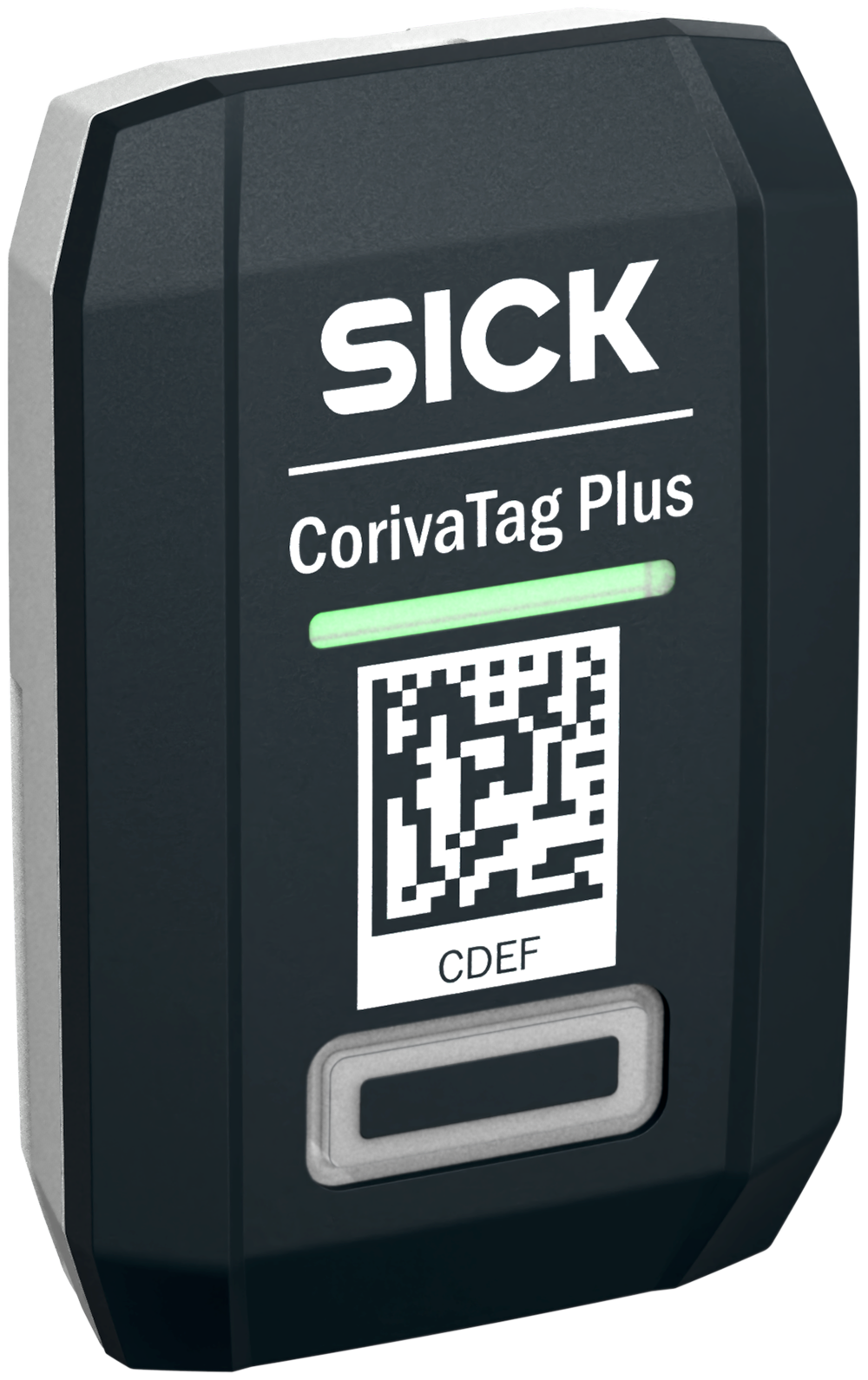 Figure 1. UWB tags are attached to assets being tracked. They emit signals used by the system to calculate precise locations. Photo credit: SICK
The system consists of mobile UWB tags (CorivaTag) (Figure 1) that are placed in the location area, as well as a permanently installed infrastructure (CorivaSat) (Figure 2). The software (CorivaEngine) (Figure 3) calculates the positions of the mobile devices. The recorded position data can be forwarded to an omlox hub via standardized interfaces.
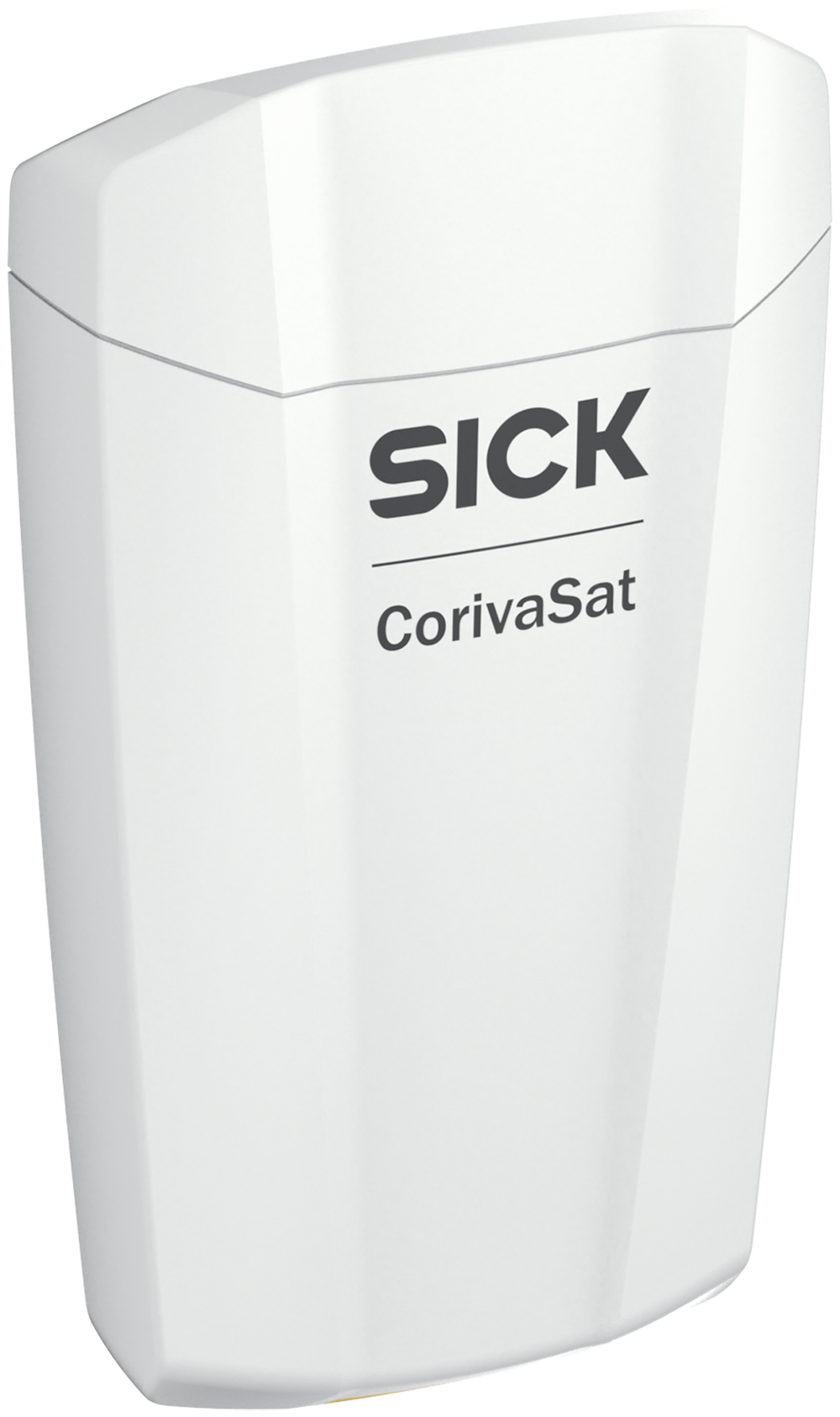 Figure 2: Fixed UWB receivers — or satellites — capture tag signals and forward collected signal data to the CorivaEngine. Photo credit: SICK
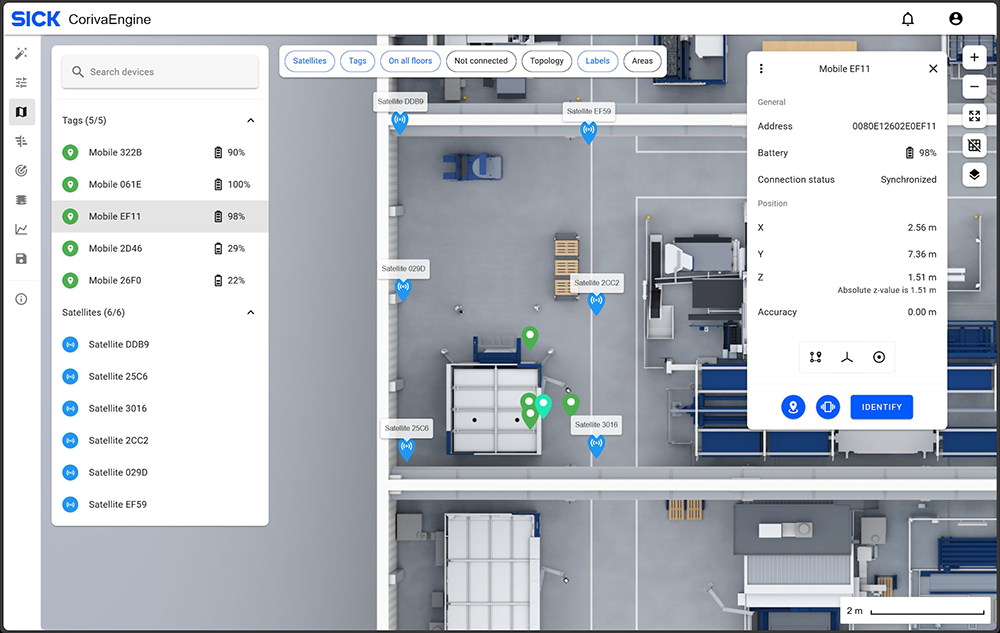 Figure 3: The CorivaEngine software performs probabilistic localization using advanced algorithms (e.g., Monte Carlo, Kalman filtering), computes real-time asset positions and feeds them into IT/IoT systems or omlox hubs. Photo credit: SICK
Features of the Coriva RTLS include:
- Flexible, scalable localization for recording the position and condition data of assets
- High positioning accuracy and precision through UWB technology
- Seamless integration into existing omlox infrastructures and interoperability with other omlox-certified devices
- Probabilistic localization through the advanced algorithms of the CorivaEngine
- Provision of position data via standardized interfaces to one or more omlox hubs
- Easy integration into existing information technology (IT) and Industrial Internet of Things (IIoT) infrastructures (K8s/K3s, edge, Azure, AWS, OpenShift).
UWB explained
Formerly known as pulse radio, UWB radio technology uses a very low energy level to transmit information across a wide bandwidth (higher than 500 MHz) for short-range, high bandwidth communications over a large portion of the radio spectrum. UWB applications target sensor data collection, precise locating and tracking. The wide bandwidth allows the transmission of a large amount of signal energy without interfering with conventional narrowband and carrier wave transmission in the same frequency band.
Conventional systems transmit information by varying the power level, frequency or phase (or a combination of these) of a sinusoidal wave. UWB transmissions transmit information by generating radio energy at specific time intervals and occupying a large bandwidth, which enables pulse position or time modulation. UWB technology is used primarily for real-time location due to its precision and reliability. Its low power consumption allows coexistence with existing infrastructure. UWB performs well in challenging environments with its immunity to multipath interference, which provides consistent and accurate positioning. In logistics, UWB increases inventory tracking efficiency, which reduces losses and optimizes operations.
Efficient asset tracking and management are crucial for industrial operations. UWB enables precise and real-time tracking of assets within industrial facilities. By attaching UWB tags to equipment, tools and inventory, companies can monitor their location, movement and utilization. This enhances inventory management, reduces asset loss, minimizes downtime and streamlines maintenance processes. UWB-based asset tracking systems provide accurate and reliable data, which empowers businesses to optimize their resource allocation and improve overall operational efficiency
The Coriva core zone provides UWB technology for tracking assets. In many cases, customers require complementary technologies to provide different tracking capabilities. The complementary zone technologies include identification (barcode and RFID) to read the material information on boxes and pallets. SICK can combine the identification sensing with a trigger sensor and gateway device to provide wireless connections on vehicles. Another complementary option is the IdentGate, which incorporates barcode and RFID scanning in a gate housing that can be mounted at dock doors.
LiDAR technology also can be used as a localization technology. For outdoor applications, GPS sensors can be added to track vehicles moving between buildings or in yards. These complementary technologies are connected to the Coriva Hub (Figure 4) to provide the asset or material location information.
SICK can combine identification sensing with a trigger sensor and gateway device to provide wireless connections on vehicles. Another complementary option is the IdentGate, which incorporates barcode and RFID scanning in a gate housing that can be mounted at dock doors.
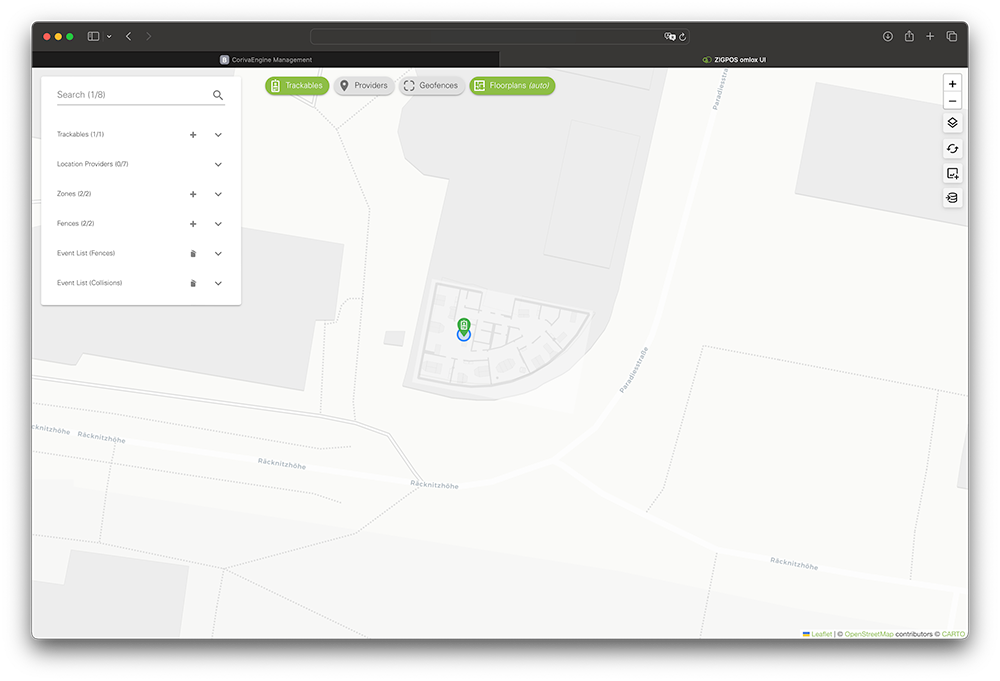 Figure 4: The Coriva Hub consists of middleware and a user interface for visualization, geo-referencing, geo-fencing and integration with omlox-compliant applications. Photo credit: SICK
Coriva applications and functionality
Coriva RTLS applications include:
- AGV tracking
- Forklift tracking
- Facility vehicle tracking
- Merchandise management
- Warehouse management
- Production planning
- Transportation management.
In intralogistics, system discontinuities occur, for example, when objects (assets) or materials at sources leave a rigid production, assembly line or stationary conveying technology to be transported to sinks by mobile transport equipment such as forklifts, industrial trucks, tugger trains or by mobile platforms. In contrast to fixed transport systems, no identification or localization of the assets or materials takes places on routes through halls and corridors. This is a blind spot for the control level. Neither the assets nor materials can be traced and — in the worst case scenario — may even be lost without anyone knowing.
Process efficiency suffers significantly due to this lack of transparency, which can lead to shrinkage, delays, deliveries to the wrong location and numerous other errors.
Real-time UWB-based localization solutions can prevent this because they ensure full transparency throughout the material flow. A system that automatically traces assets with the help of UWB tags and provides insights into the status of the company makes it possible to focus on business decisions and optimization. Companies that spend less time on data collection can devote more time to reducing investment expenses, increasing their revenue and improving their work processes. [subhead] Coriva RTLS architecture
Figure 5 shows an example Coriva RTLS architecture diagram and core system components. Tag information is fed to the Coriva core zone via CorivaSat fixed UWB receivers, which forward collected signal data to the CorivaEngine. Tracking and tracing solutions — such as ALDIS, OccupID, IdentGate and LiDAR — are fed to the Complimentary Zones.
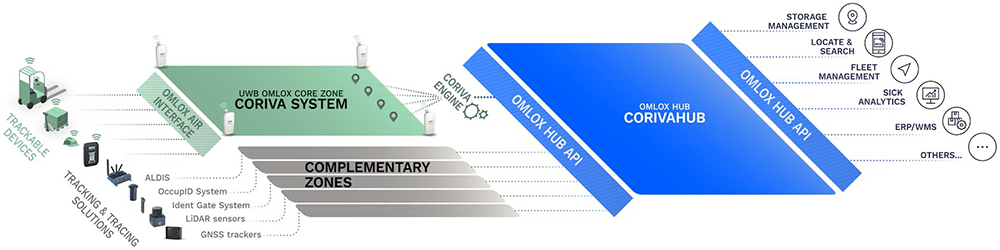 Figure 5: Example of the Coriva architecture. Photo credit: SICK
The CorivaEngine performs localization using advanced algorithms. It computes real-time asset positions and feeds them into IT/IIoT systems or omlox hubs. The CorivaEngine includes tools for monitoring, accuracy analysis, firmware updates and auto-topology setups. The CorivaHub consists of middleware and a user interface for visualization, geo-referencing, geo-fencing and integration with omlox-compliant applications.
The omlox standard
The term omlox is derived from the Latin terms “omni” = omnipresent and “locus” = place. omlox: omlox is a technology standard that enables a technology — and manufacturer — independent provision of location data.
The omlox standard describes two core components:
1. A location middleware (omlox hub) that combines location data from the various technologies and provides it via standardized APIs to other applications.
2. An open positioning infrastructure (core zone) based on UWB radio technology in which devices can be located independent of the manufacturer or locate themselves.
Omlox refers to positioning technologies that cover different spatial areas in a factory as zones. The standard distinguishes two different zone types:
- Core zone: Core zone is an area in which an interoperable UWB system is installed, which allows manufacturer-independent location. The omlox standard defines how assets in industrial environments can be located with the necessary accuracy with the help of UWB technology.
- Complementary zone: In addition to UWB technology, there are a variety of other technologies that allow location inside or outside buildings. These are, for example, Wi-Fi, BLE, RFID or future 5G. Since omlox does not have a standardizing influence on these technologies, but only makes them easily accessible, the areas in which such a technology is used are named as complementary zones.
Above the zones, the location data is merged by a location middleware, the omlox hub (Figure 6). This hub provides data via uniform interfaces and in a uniform format of various applications such as the merchandise management system, warehouse management, production planning or transport management.
 Figure 6: The omlox hub provides the data via uniform interfaces and in a uniform format of various applications, such as the merchandise management system, warehouse management, production planning or transport management. Photo credit: SICK
With the goal to harmonize access to location data and foster interoperability across RTLS and devices from different vendors, the omlox standard was initiated by industrial leaders in 2018. Now, omlox is hosted by the PROFIBUS & PROFINET International (PI) standardization body and shaped by a growing member community including TRUMPF Tracking Technologies GmbH, SICK and many other companies. The omlox standard defines an open and generic RTLS architecture. To overcome siloed RTLS, omlox standardizes interfaces that pave the way towards flexible, extendable and interoperable locating solutions.
The omlox air-interface definition provides interoperability within the omlox core zone across various UWB-enabled RTLS devices from different vendors, allowing flexible configurations and extensions to address numerous use cases in industry, logistics and beyond. The communication between an omlox core-zone infrastructure (i.e., satellites) and mobile tags is based on a subset of the mandatory or optional physical layers described in the IEEE 802.15.4 and IEEE 802.15.4z standards. Whereas the actual ranging relies on typically regulated and therefore precious UWB signals (called in-band signals); all other communication such as device management or firmware-updates is offloaded to a separate narrow-band out-of-band radio.
To integrate the Coriva RTLS with enterprise systems such as a manufacturing execution system (MES) and/or an enterprise resources planning (ERP) system, application programming interfaces (APIs) interact with core omlox hub API resources such as zones, geofences, location providers and trackables. Typically, REST and WebSocket API are used. These endpoints are used to interact with the system, access documentation and manage the installation.
Coriva RTLS benefits
Coriva RTLS functionality provides a seamless real-time overview of the location and movement of vehicles, workpieces, tools and materials. It achieves sub-meter accuracy even in metal-dense, challenging manufacturing environments with multipath interference. It enables asset visibility and operational efficiency. UWB technology supports low latency detection, which enables real-time motion and dwell event monitoring for workflow optimization. The system offers reduced search times, losses and mix-ups through clear identification and localization of assets. The operational impact of visibility is realized through automated and optimized processes, for example, through automated posting of material movements. The system is adept at mapping key assets such as racks, tools, tuggers, AGVs and finished vehicles, which enhances efficiency and digital integration.
UWB systems scale to support tens of thousands of tags with robust security to prevent interference and unauthorized access. They provide high process transparency for audits and supervisory authorities.
Certification according to the omlox standard ensures flexibility and compatibility. Seamless integration with MES, WMS and ERP systems enables data-driven decisions and enhances operational efficiency.
Final thoughts
Designed for precise, scalable and interoperable tracking of assets such as vehicles, tools, materials and workpieces in real time, the Coriva RTLS is scalable, and interoperable and is certified for the omlox open locating standard, which ensures cross‑vendor compatibility and prevents technology lock in.
The CorivaEngine includes tools for monitoring, accuracy analysis, firmware updates and auto-topology setups. The CorivaHub consists of middleware and a user interface for visualization, geo-referencing, geo-fencing and integration with omlox-compliant applications. Integrating MES, WMS and ERP systems streamlines operations and supports data-driven decisions.