






Automation.com had the pleasure of attending Qualtrics’ XMTalks virtual event “Practical Guidance for Improving the Human Experience at Work in 2022.” Livestreamed on Jan. 27, it featured none other than Malala Yousafzai.
If you’ve heard of Malala, and we hope you have, then you won’t be surprised at the broadcast’s focus:  “How to rekindle your own drive to lead, elevate the different voices of your people, improve equity within your organization, and address emerging trends for next year, and beyond.” The Malala XMTalks provide much needed inspiration and guidance for what today’s managers will have to do differently. To put a finer point on it, check out Qualtrics’ 2022 Employee Experience Trends Report , by Sarah Marrs, head of EX Product Science, at Qualtrics. Inside, you’ll see surprising data about who is most likely to resign and why.
The report features four things the company’s research showed that employees are demanding today—“The Great Resignation” isn’t happening by chance—and the six key areas employers can focus on to retain them. Hint: The walk-offs are not just your “friends in ‘low’ places,” and they’re not in the positions you’d think. They’re the senior leaders companies most rely on. According to Qualtrics’ report, this is due to emotional burnout, which like everything else it seems lately, has been brought on by the pandemic. In additional to how it has affected them personally, for years now leaders have had to weather their employees’ emotional burdens and commit to ensuring both their physical and mental well-being at work.
Everything has changed, and with it, everyone has started to think and behave differently than expected, thus creating the current workplace disruption. Leaders’ needs must be taken into consideration. Qualtrics has ferreted out some ways to turn the negatives into pluses, and posited ways forward. The one question the report says should be asked is, “How do we support our leaders to prevent the burnout—and ultimately attrition—of leaders in our organization?” Among the answers found in the report are providing them with the technology and talent that will enable them to efficiently and authentically respond to employee feedback.
Time for mentorship
Taking both the XM Talk and the report into consideration, it also seems a prime opportunity for mentorship, and if done authentically, hopefully retainment. We often hear from our readership, many of whom have had the benefit of long careers in automation, that mentorship played a huge role in their job opportunities and success. And it continues to do so for others, when you share your vast knowledge with mentees and actively nurture your diverse peer group, such as through the International Society of Automation’s network of resources . 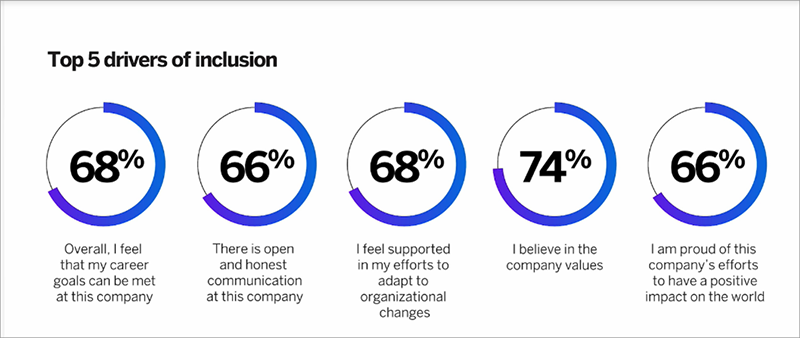 Another vital change for companies will be to ensure that they are taking big steps toward DEI, or diversity, equity and inclusion.
There is no refuting the data to support the importance of these necessary attributes and the sustainable relationships they foster. They will make a difference in who stays, who leaves, who thrives, and who is overlooked, and ultimately define the company. We hope you’ve also by now had the chance to peruse Automation.com’s 2020-2021 “ Automation Salary Survey report: A Story of Loss, Change and Recovery ,” prepared by Melissa Landon—it’s rich with facts and data, and the highs and lows, pertaining to the challenges automation professionals have recently experienced one way or another.
Melissa’s report is filled with quotes taken directly from Automation.com’s Salary Survey of automation professionals that speak to the emotional toll that situations beyond workers’ control have taken on them. These include factories closing, being forced to work at home (or to go back to the plant), job loss, and reduced income. And, of course, the supply chain problem. Above all, it’s this uncertainty that is driving change for 2022 as employees of all levels envision a new way of working and new avenues to job security for themselves.