


©2026 Automation.com, a subsidiary of the International Society of Automation.
-

 ISA provides technical resources and standards to help industrial automation professionals advance their careers and the field. We enable automation professionals worldwide to solve problems and enhance their skills by bringing people together to create new technologies and share best practices with future automation professionals.
-
ISA Resources
-
Upcoming Events
-
Industry Insights
-
Consortia
-

Articles and News
5,328 Results Found
-

Infrastructure Automation Stops Too Early: Here Is What Is Missing
GPU workloads and AI agents demand more than automated deployment can provide, so organizations need a consistent operating model for governance, visibility, and lifecycle management across all environments. -

From Automation to Intelligence: How Physical and Agentic AI Bring Industry 5.0 to Life
The organizations that evolve to Industry 5.0 will be those that connect intelligence, infrastructure, and people into a highly efficient operating model. -
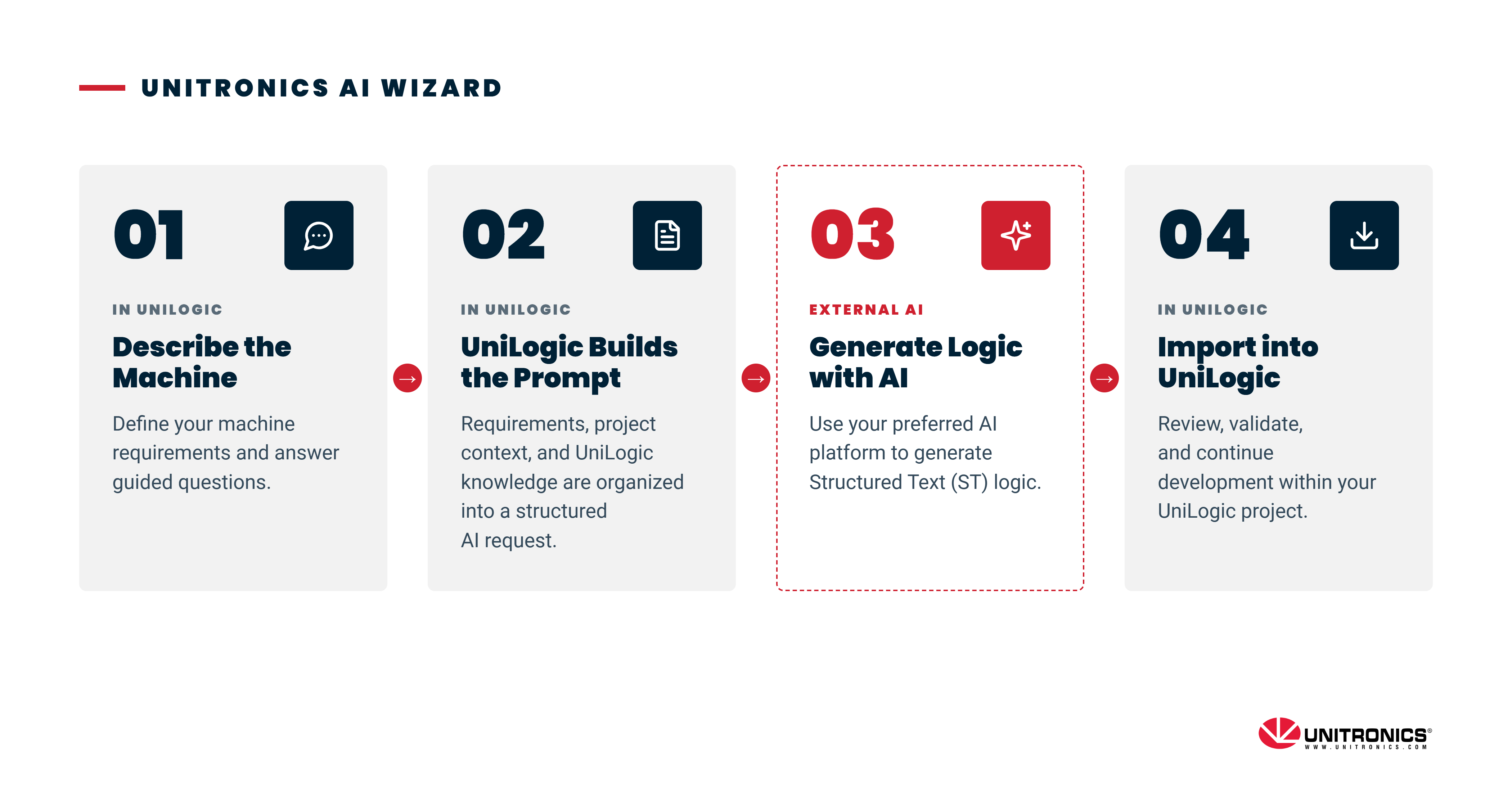
Unitronics Uses AI to Take PLC Logic from Machine Requirements to Code in Minutes
A guided workflow uses project information and Unitronics PLC programming rules to help engineers generate Structured Text with their choice of AI model. -

“Use a Machine-Level Historian or a Server Software Historian?” That’s The Wrong Question to Ask
How to stop guessing and choose a historian based on the job that actually needs doing. -
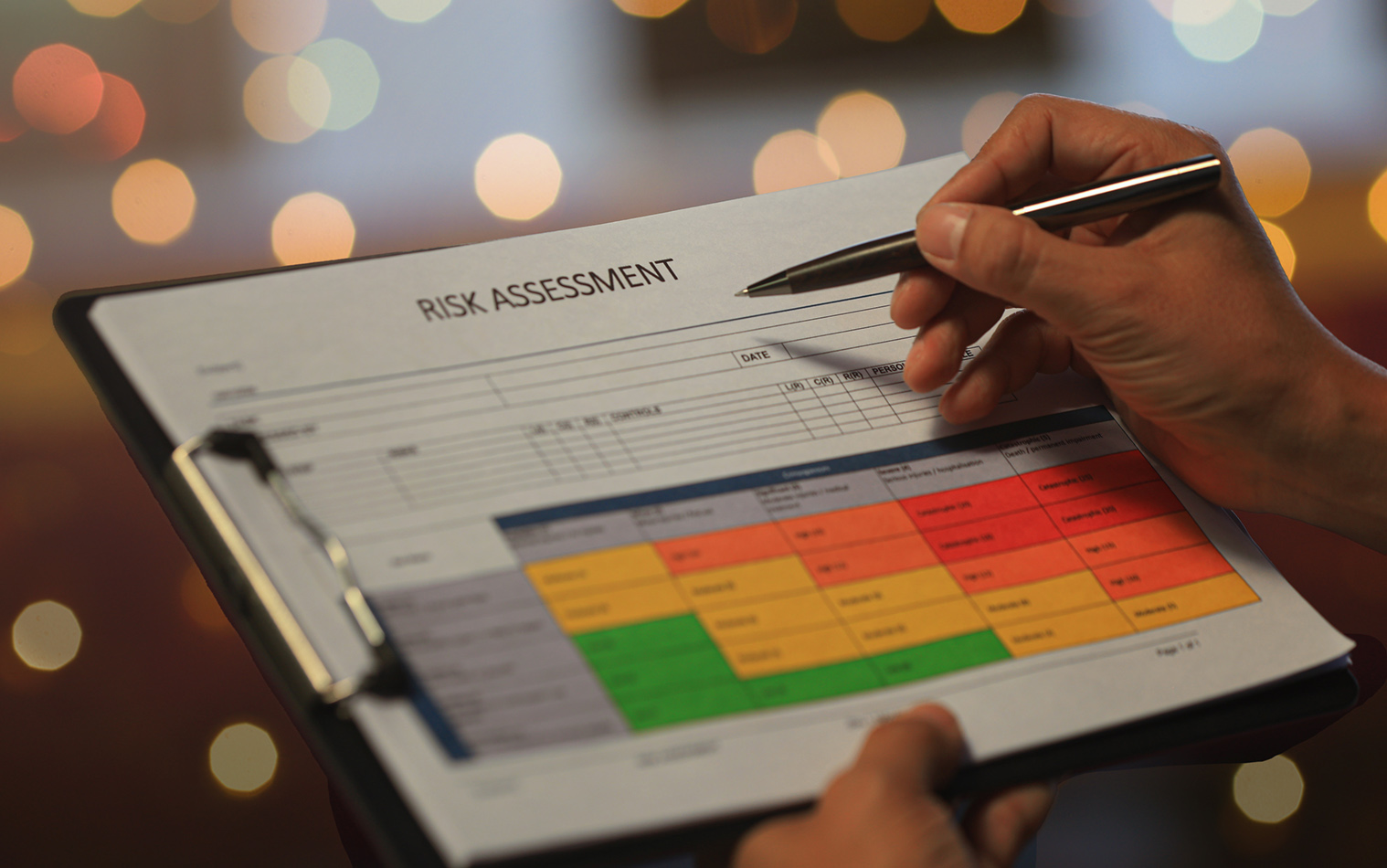
EU Cyber Resilience Act: Multiple Routes to Compliance, One Essential Starting Point—Risk Assessment
Although the final versions of the EN 62443 standards have not been released, manufacturers can use existing standards to start preparing to comply with them. -

Why OT Cybersecurity Starts Before Design
Growing connectivity, new regulations, and long-term operational requirements are pushing cybersecurity decisions into the earliest stages of industrial project design. -
How To Improve Life Sciences Operations with Intelligent Automation
Intelligent automation that combines AI-driven decision-making with traditional rules-based processes is reshaping how life sciences organizations approach high-volume, repetitive work. -
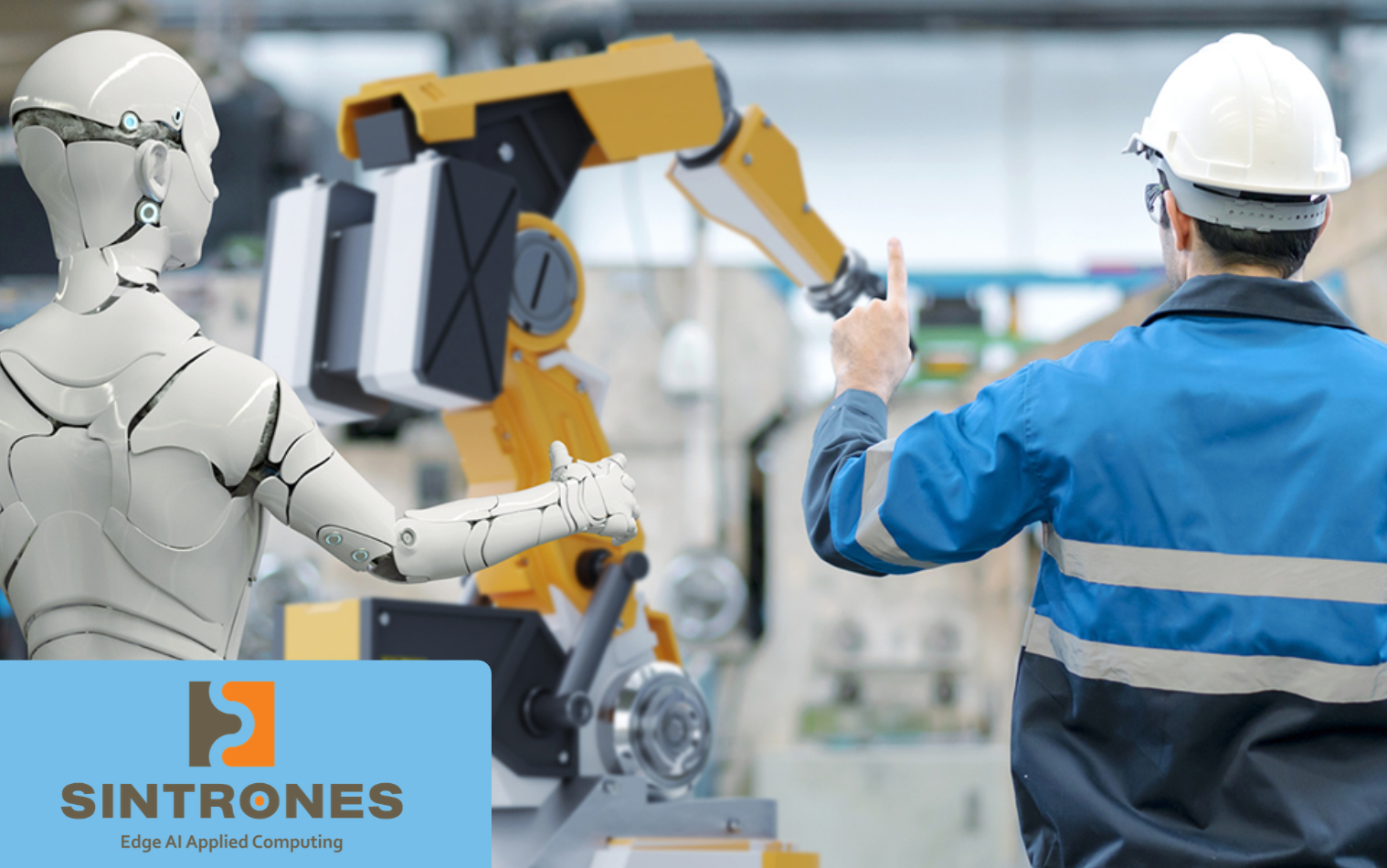
Why Edge AI Hardware Matters for Physical AI
Physical AI is transforming industrial automation, from autonomous robots to machine vision. Discover why reliable edge AI hardware, real-time processing, multi-sensor connectivity, and thermal stability are essential for real-world deployment. -
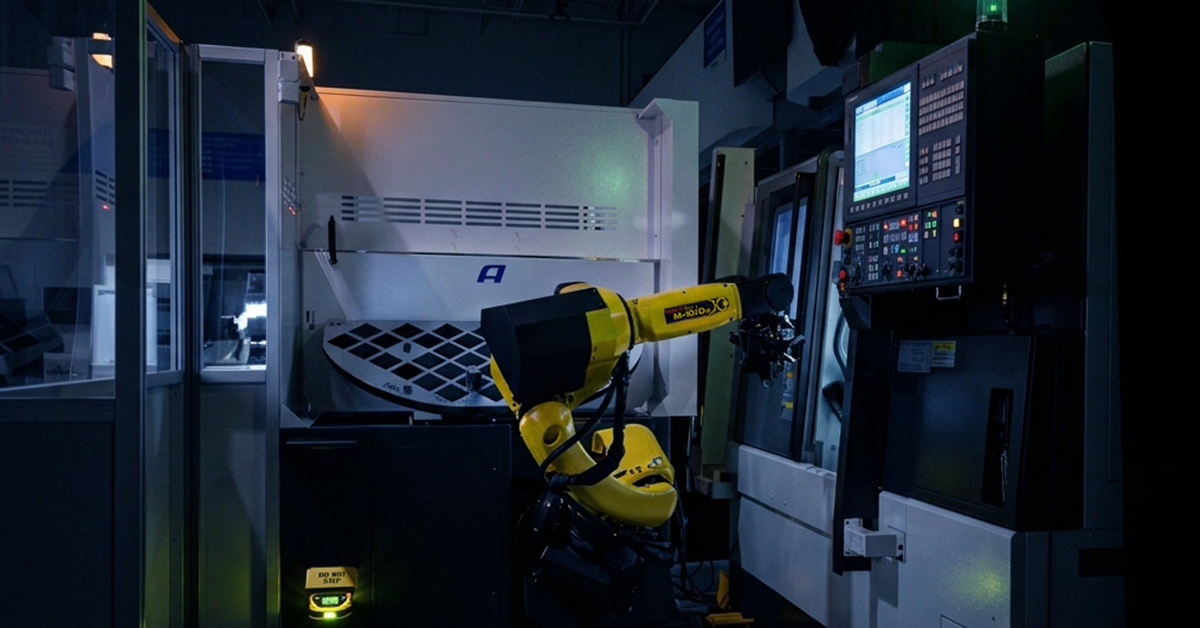
Lights On or Lights Out, Shop Automation Shines
Lights out machining gets the headlines. But today, we’re exploring how automation’s biggest impact often happens with the lights on. Explore how the right solution can increase capacity, reduce scrap, and help skilled machinists focus on higher-value work. -
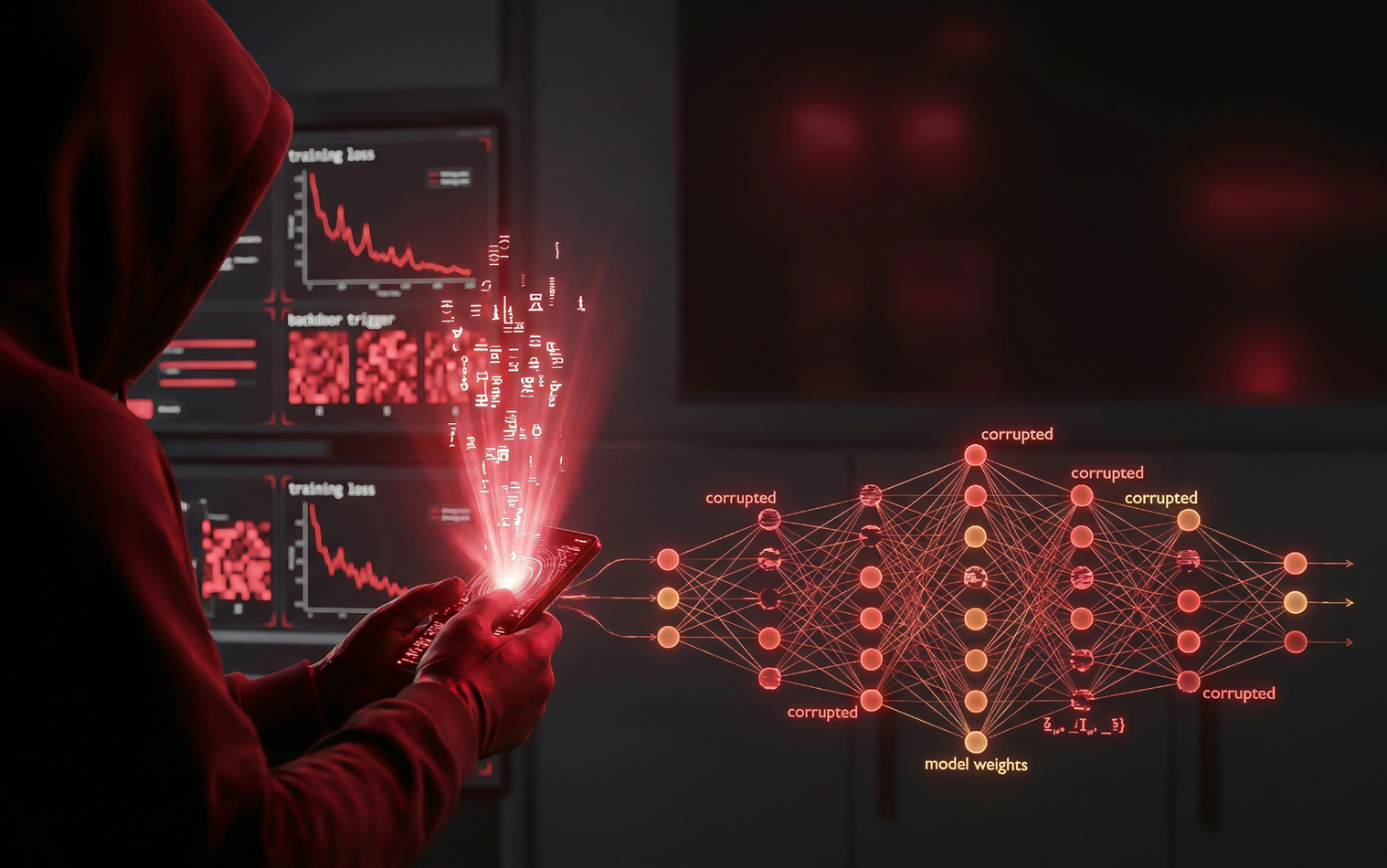
How to Identify Data Poisoning in Industrial AI
Data poisoning reduces AI accuracy by influencing what an industrial system learns and how it responds to inputs. -

Closer to the Process: Uncovering the Hidden Benefits of Utilizing Remote I/O in Process Control Systems
By digitizing instrumentation signals at or near the process and transmitting multiple measurements over a single communications link, Remote I/O helps facilities improve installation efficiency, simplify maintenance, and accommodate future expansion without extensive modifications to existing control infrastructure. -

How Can We Improve Data Historian Use?
In the latest edition of the Ask the Automation Pros column, the pros discuss how to set up a data historian to transform data into information that can be used for process monitoring, diagnosis, prediction, optimization and continuous improvement. -

OT Cybersecurity's New Front Line: Securing Legacy Systems in a Connected Industrial Environment
For years, cybersecurity strategies in manufacturing focused primarily on protecting corporate IT systems while keeping production environments largely isolated from external networks. That model is being challenged as manufacturers create more connections between operational technology (OT) and enterprise systems to support business-wide initiatives. -

Protecting Siemens S7 PLCs Starts with Architecture
A controller connected to the Internet is exposed by design. The practical response is architectural: close the comm path and move process data through a controlled connection -

A Practical Path to Post-Quantum Readiness in Operational Technology
How to develop an OT cybersecurity roadmap to transition to PQC algorithms designed to resist quantum-computer-enabled decryption. -

Setting a New Standard on Innovation for Magnetic Flow Measurement
Magnetic flow meters have proven to excel in challenging applications. This Q&A with Cheng Vue, Global Product Manager at Emerson, covers how the company is innovating with magnetic flow meters that are more intelligent, trustworthy, and easier to use. -

Around the Loop, Not in It: Where AI Can Already Help in the Plant
The article sets three conditions that qualify a task, names six places to start, and argues that the real question is not which model you subscribe to but whether your software platform can give one structured access to its own engineering model. -

A Backup Is Not a Recovery Plan: Measuring What It Really Takes To Restore OT After an Incident
In addition to a successful backup, nine conditions determine whether OT recovery takes hours, days or weeks. -
Building Resilient and Secure Industrial Automation Systems
This article explores how a resilient software foundation and a microkernel architecture can isolate critical workloads, contain faults, and support lifecycle cybersecurity. It highlights how foundational platforms such as QNX can enable secure and safe software-defined industrial modernization approaches that are essential in building and managing resilient systems throughout the systems lifecycle. -
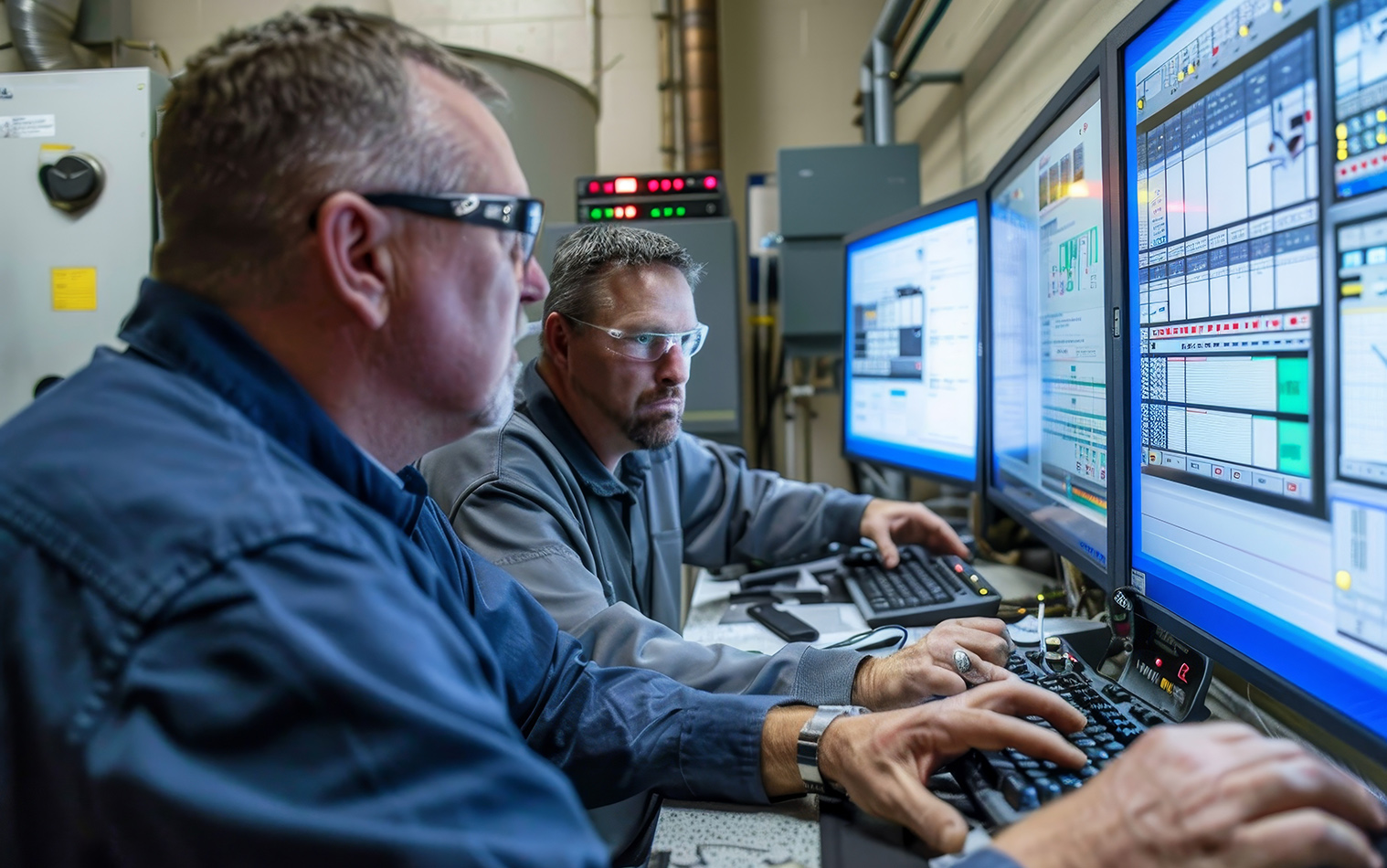
When the Server Dies and the Backup Is Three Years Old: Reviving a Legacy Biturox SCADA System
Regular, versioned backups of SCADA projects should be managed diligently. Without them, you may or may not be able to recover your data when the system fails. We got lucky.