



©2026 Automation.com, a subsidiary of the International Society of Automation.
-

 ISA provides technical resources and standards to help industrial automation professionals advance their careers and the field. We enable automation professionals worldwide to solve problems and enhance their skills by bringing people together to create new technologies and share best practices with future automation professionals.
-
ISA Resources
-
Upcoming Events
-
Industry Insights
-
Consortia
-

Articles and News
74 Results Found
-

The One-Person Risk Hiding in Automated Plants
Does the workforce available at the time of a problem match the response your organization expects? -
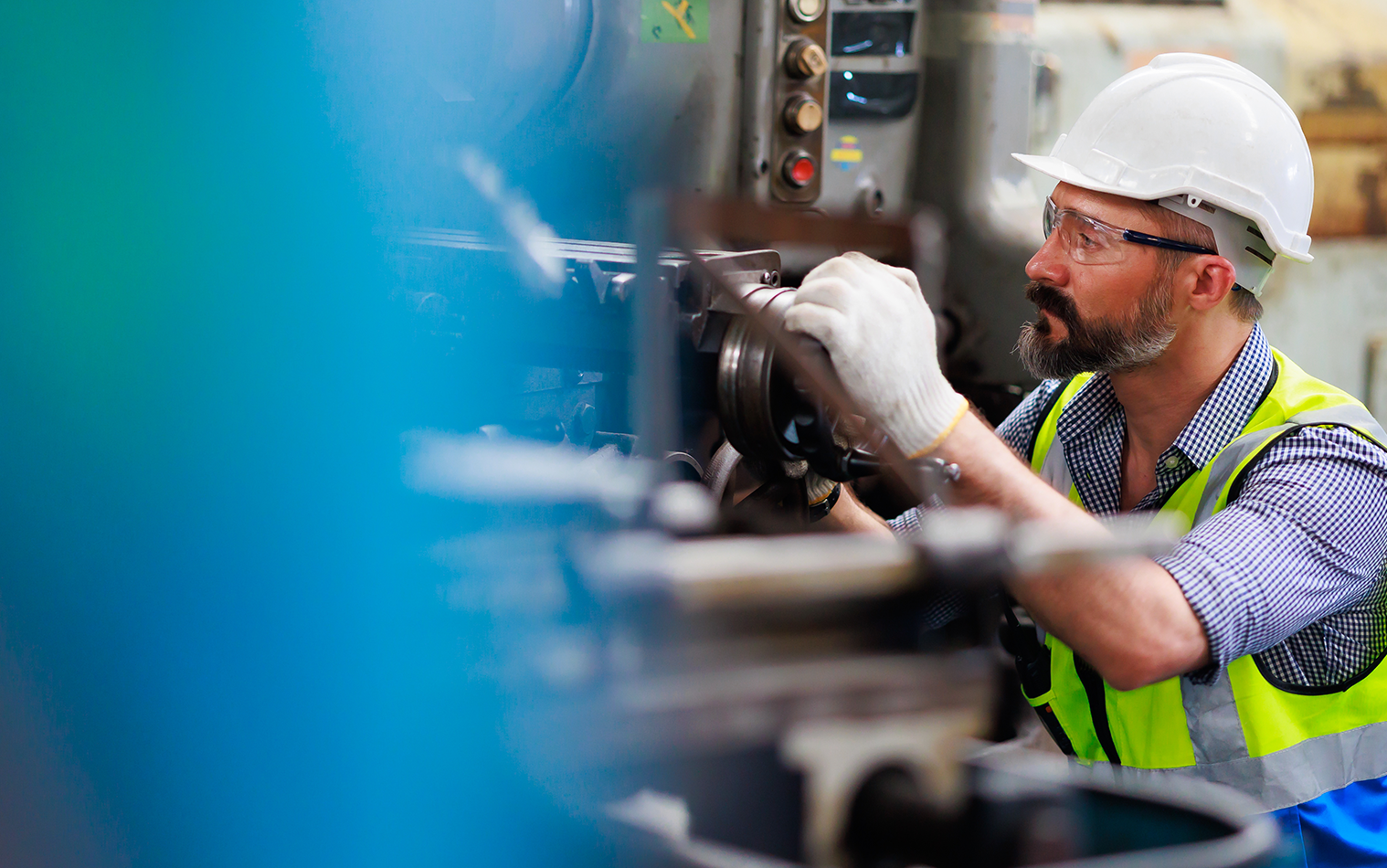
The Case for Functional Safety in Modern Factory Automation
The practical advantage of functional safety is that it allows machines to keep working safely, rather than stopping by default. -
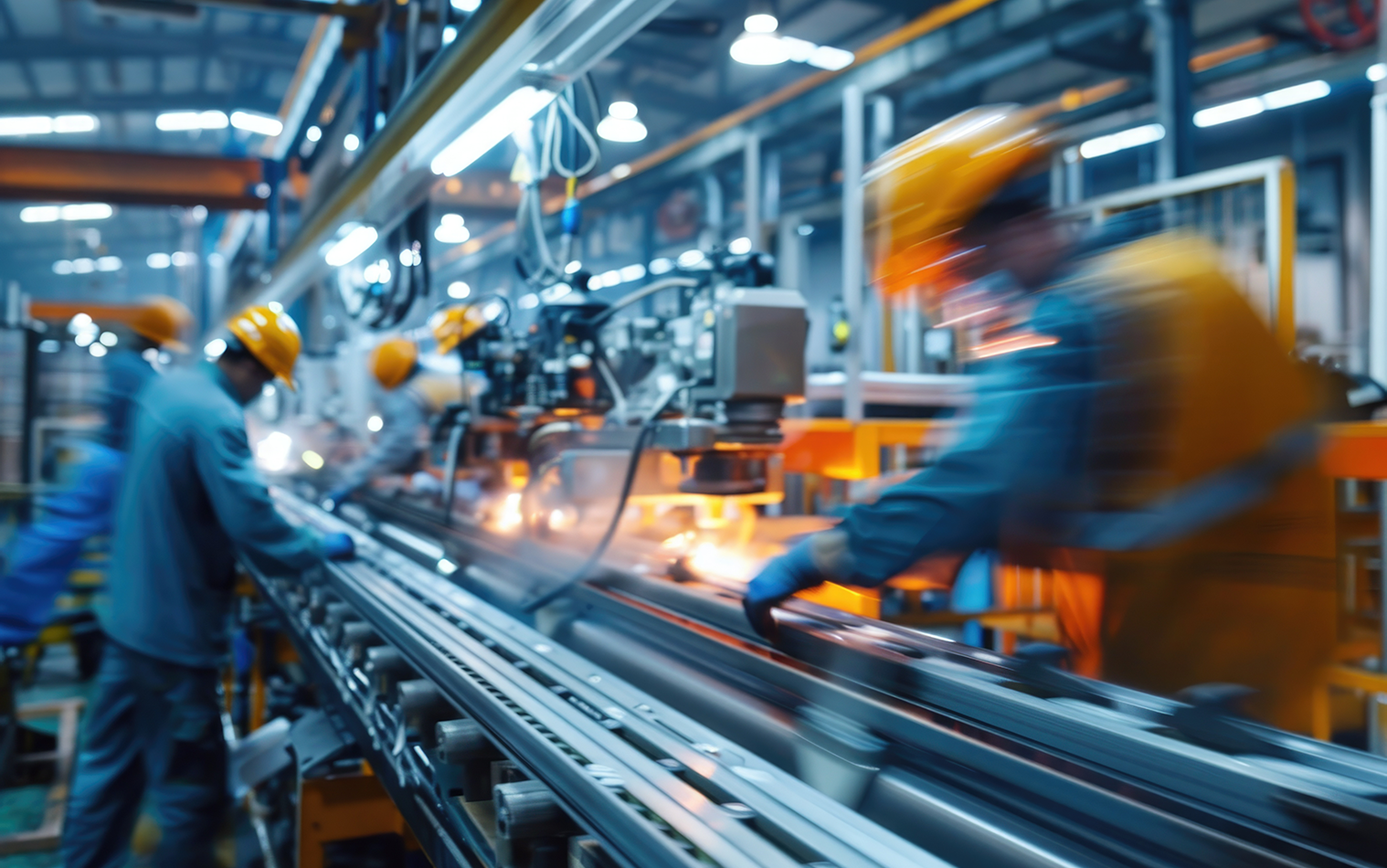
Report: Nearly Half of Frontline Managers’ Ideas Are Never Implemented
While most middle managers are actively submitting improvement ideas, only 54% of those say their ideas are implemented. -

Guided Wave Radar: An Overview and Its Impact on Industrial Level Measurement
Accurate, safe and reliable level measurement in oil & gas, chemical and power industries is crucial. -

The Industrial Orchestration Layer: Empowering Shop Floor Intelligence
As a secure and deterministic bridge between stochastic AI models and physical machinery, the industrial orchestration layer empowers manufacturers to safely automate real-time decision-making while ensuring safe operations. -
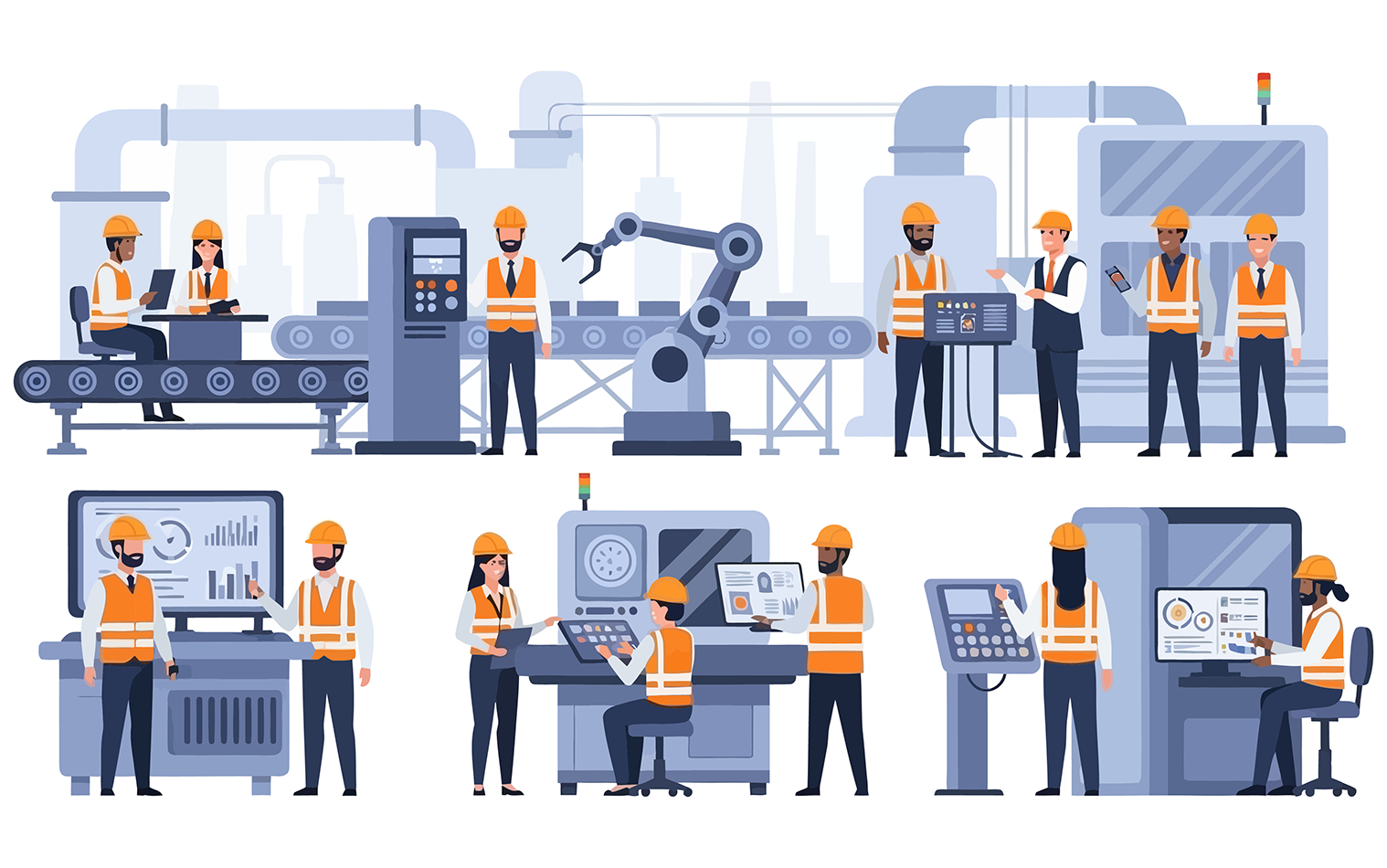
From Industrial Sites to Work Sites: The Expanding Definition of Workplace Risk
The traditional boundaries of workplace safety are dissolving as organizations recognize that environmental hazards matter as much as human injuries, and that "industrial" risk factors extend far beyond factory floors into retail stores and customer-facing spaces. -

Employing Automation to Tackle Warehouse Labor Shortages
Here are five ways manufacturers can implement automation to solve warehouse labor shortage issues. -
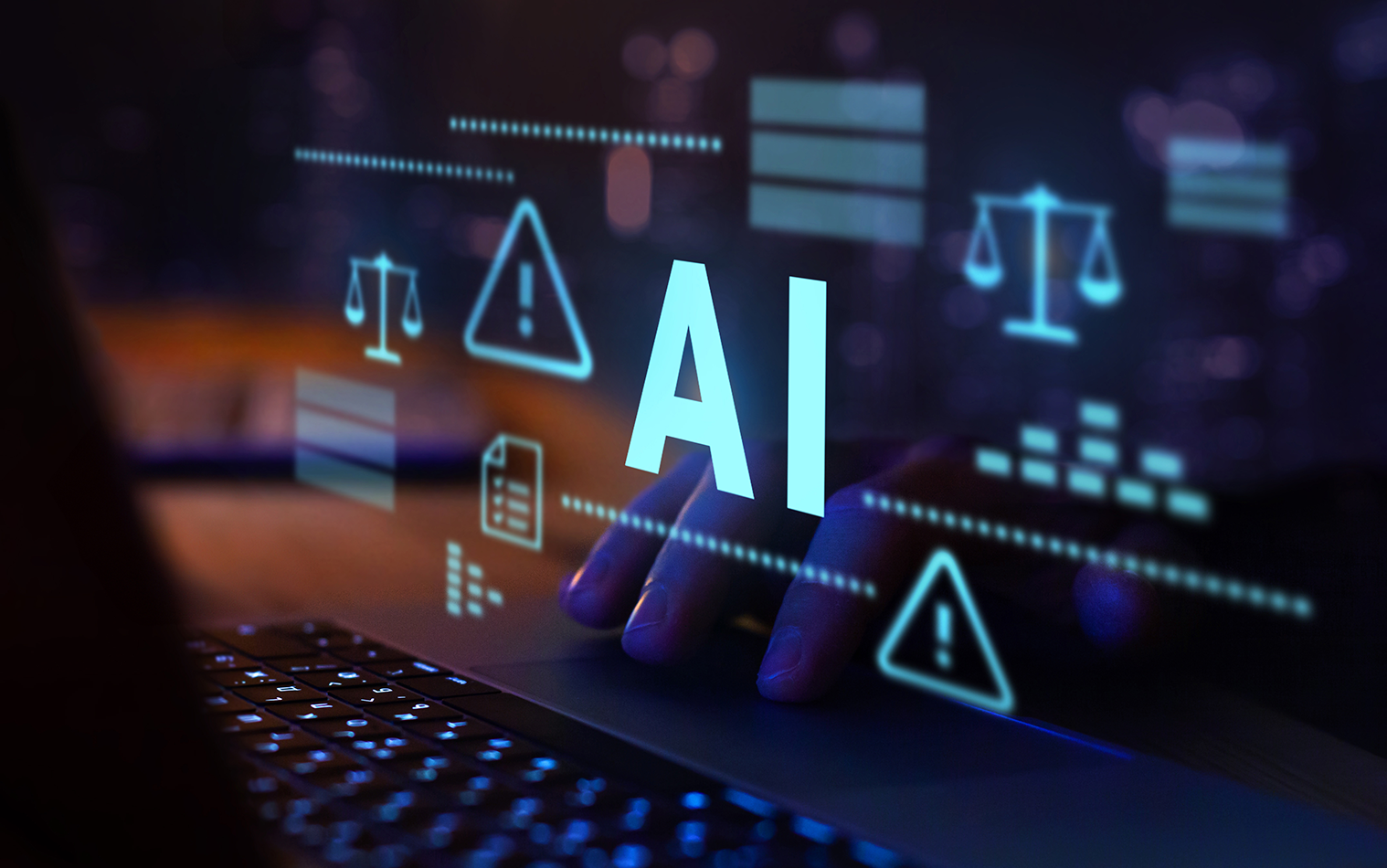
The Overlooked Industrial AI Race: Building the Guardrails Before It Is Too Late
Everyone is talking about what AI can do. Far fewer are talking about what happens when it goes wrong in a place where software meets steel. -

Warehouse Research Finds Ergonomic Debt Is Threatening Operational Productivity
The survey uncovered growing "ergonomic debt" as warehouses face rising injuries, preventable turnover and performance slowdowns caused by outdated tools and unmeasured strain. -

How Industrial Enterprises Can Strengthen Cloud-Based Backup and Disaster Recovery for Extreme Weather Events
Real resilience isn’t heroic last-minute decision making during a crisis. It’s unglamorous, disciplined preparation done well in advance. -
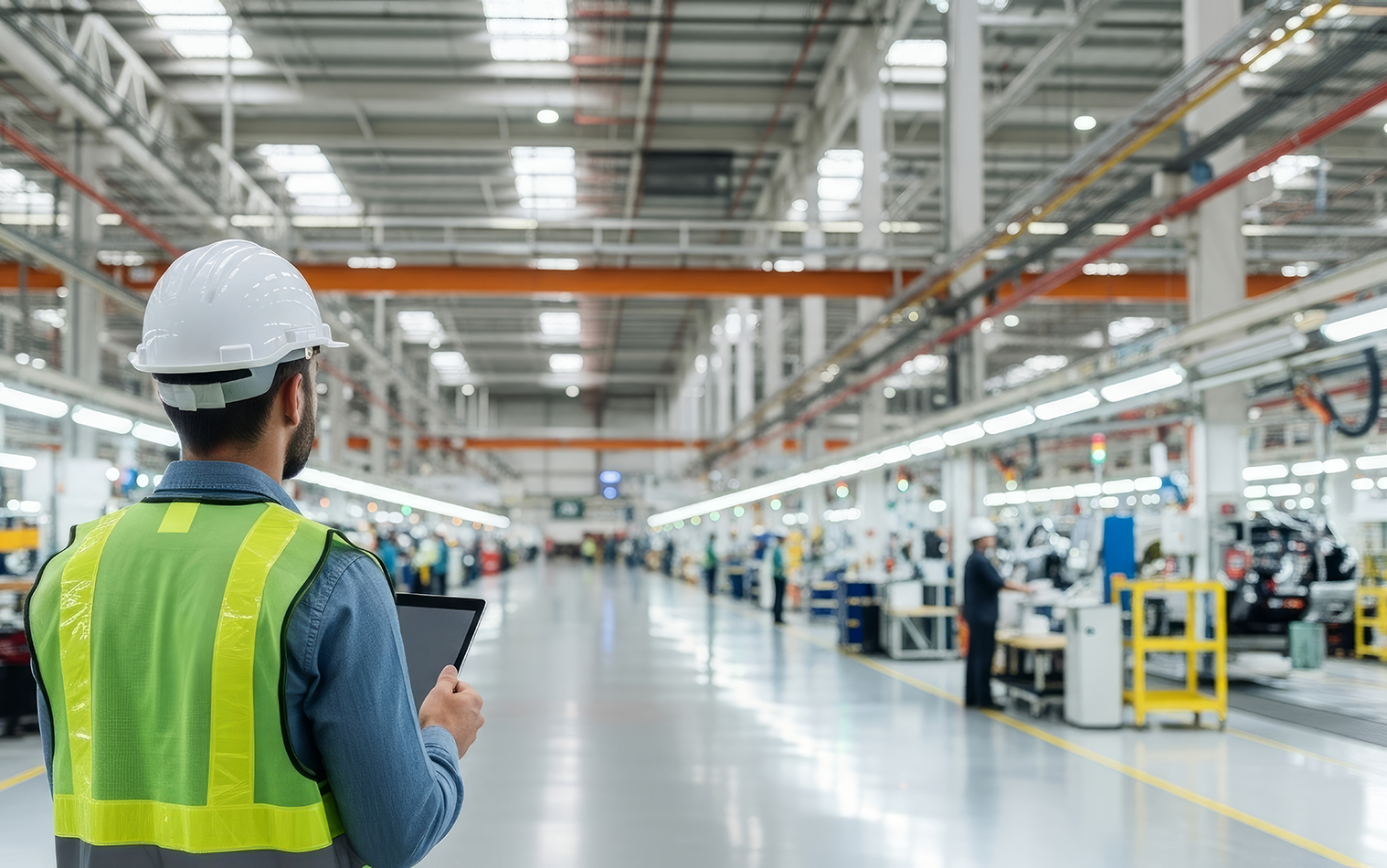
Building a Safety-First Culture With Automated Robotic Solutions
Let's consider the risks of relying on manual processes, what it takes to create a safety-first culture and how to keep AGV/AMR systems efficient and aligned with human-led workflows. -
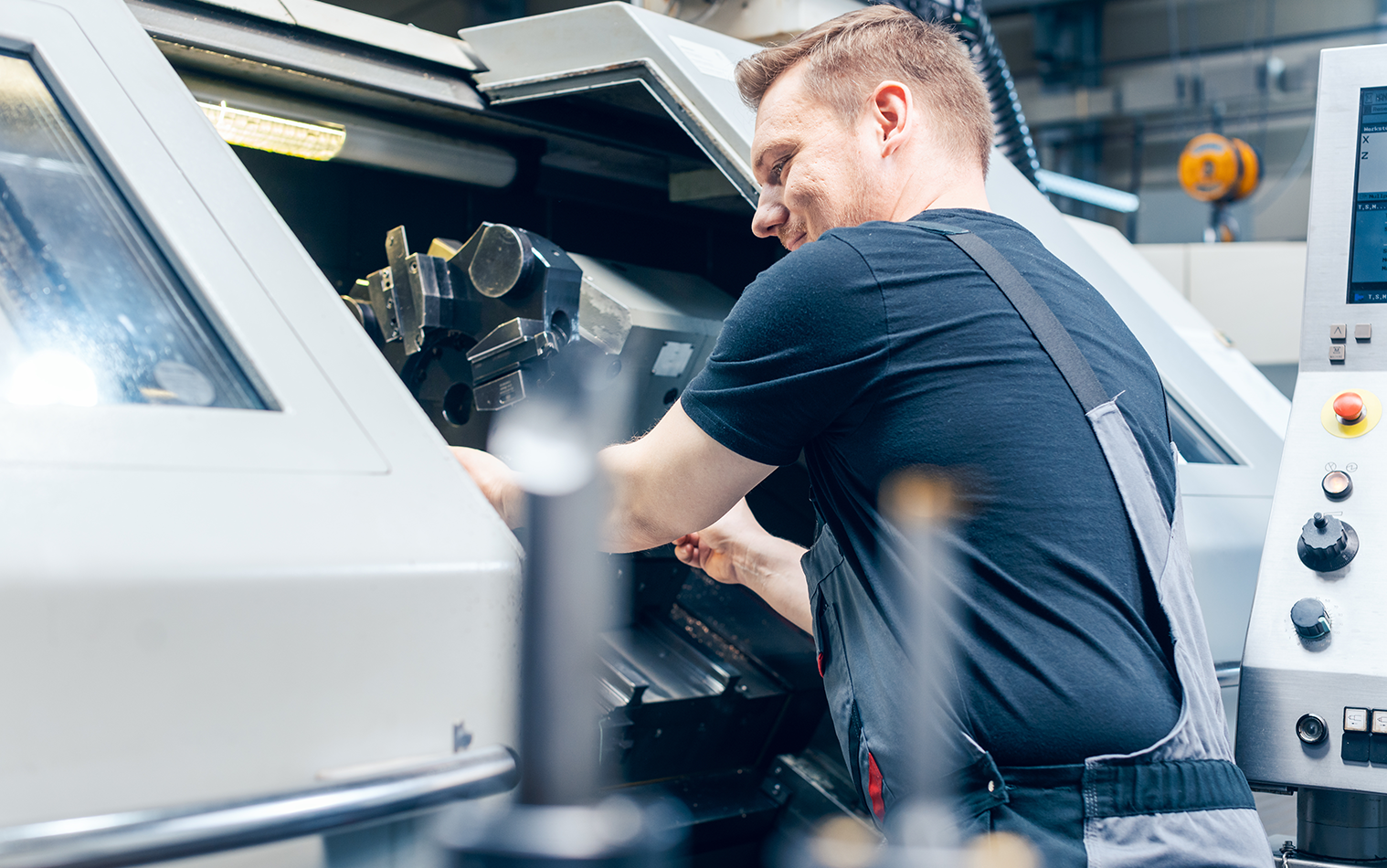
2026 CNC Machining Trends: How Data, Automation and Hybrid Tech Are Reshaping Precision Manufacturing
CNC machining has long been the foundation of precision manufacturing, but the pace of change heading into 2026 is unlike anything seen before. -

Digitalizing Maintenance in Hazardous Areas: From Clipboards to Connected Operators
The future of maintenance is digital. Now, even hazardous areas can participate fully. -
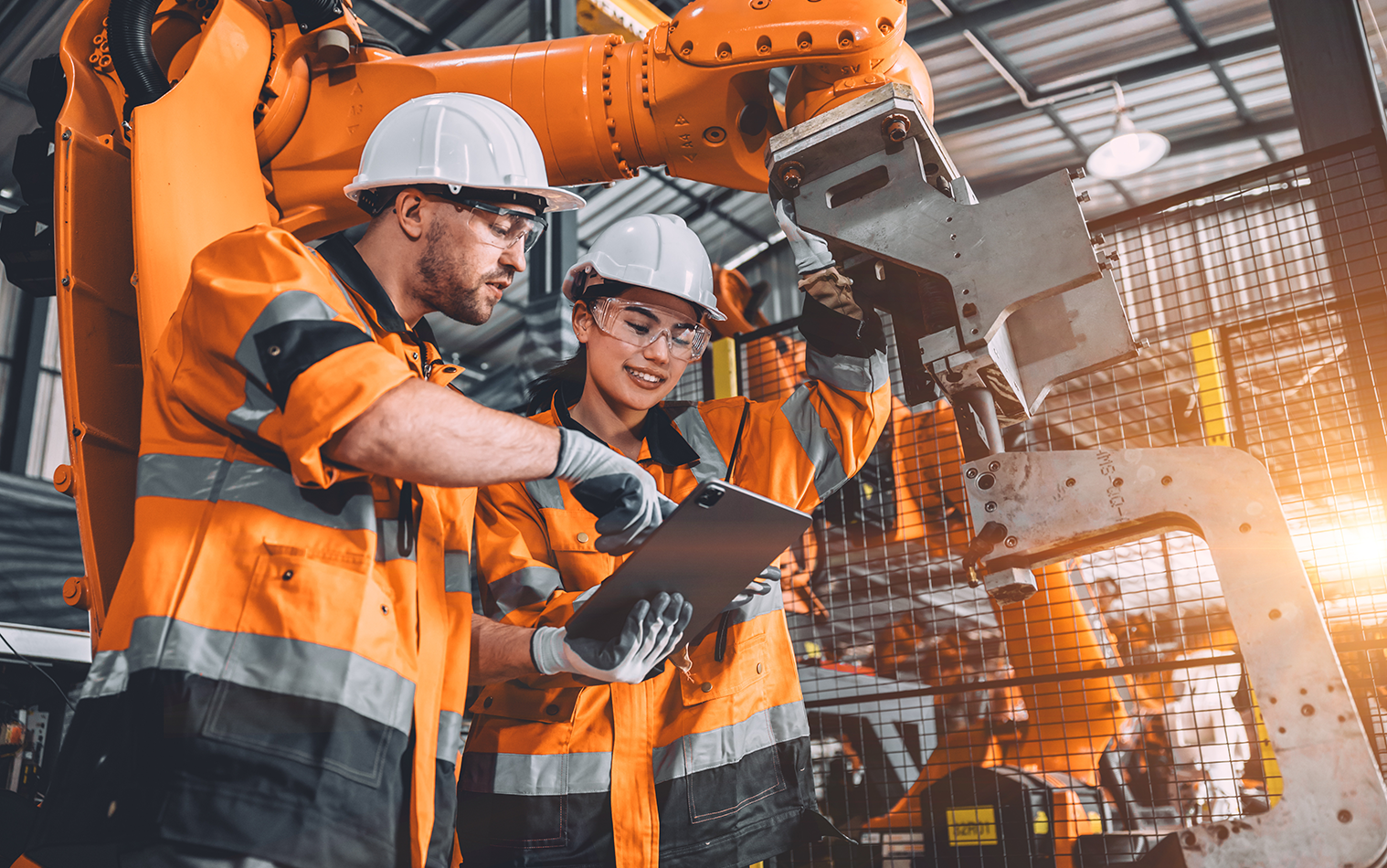
Automation Predicted to Reduce Workplace Injuries by More Than 161,000 Annually
The predicted automation of 30% of tasks by 2030 is expected to reduce U.S. workplace injuries by 5.9%. -

What 2025 Taught Us About the Future of Manufacturing
If 2025 taught us anything, it’s that the future of manufacturing is not just innovative; it’s safe, data-driven and interoperable. -

Survey Shows Increased Adoption of Robotics Motivated by Cost and Safety Concerns
Survey: China is outpacing global competitors with 89% robotics adoption compared to the global average of 50%. -
Rethinking Industrial Alarms for a Safer, Smarter Plant
The future of industrial alarms lies in their transformation from basic alert mechanisms into intelligent, integrated components of a larger operational ecosystem. -

The Machines We Trained to Replace Us: The Advent of Humanoids in Manufacturing
The age of humanoids on the assembly line is now. The factory floor has a new hire, and it’s not human. -

Integrate Control and Safety and Unlock Hidden Potential
Thanks to advances in technology, companies can now integrate machine control and safety on one platform, transport control and safety over one network and program both within one software environment. -

An Alarming Trend in Process Control Systems
The processing industry is increasingly adopting a standards-based approach to alarm management to increase focus on actionable items and avoid alarm flooding that can lead to lost production and serious accidents.